There Can Be No Winners in the Patagonia v. Pattie Gonia Debacle
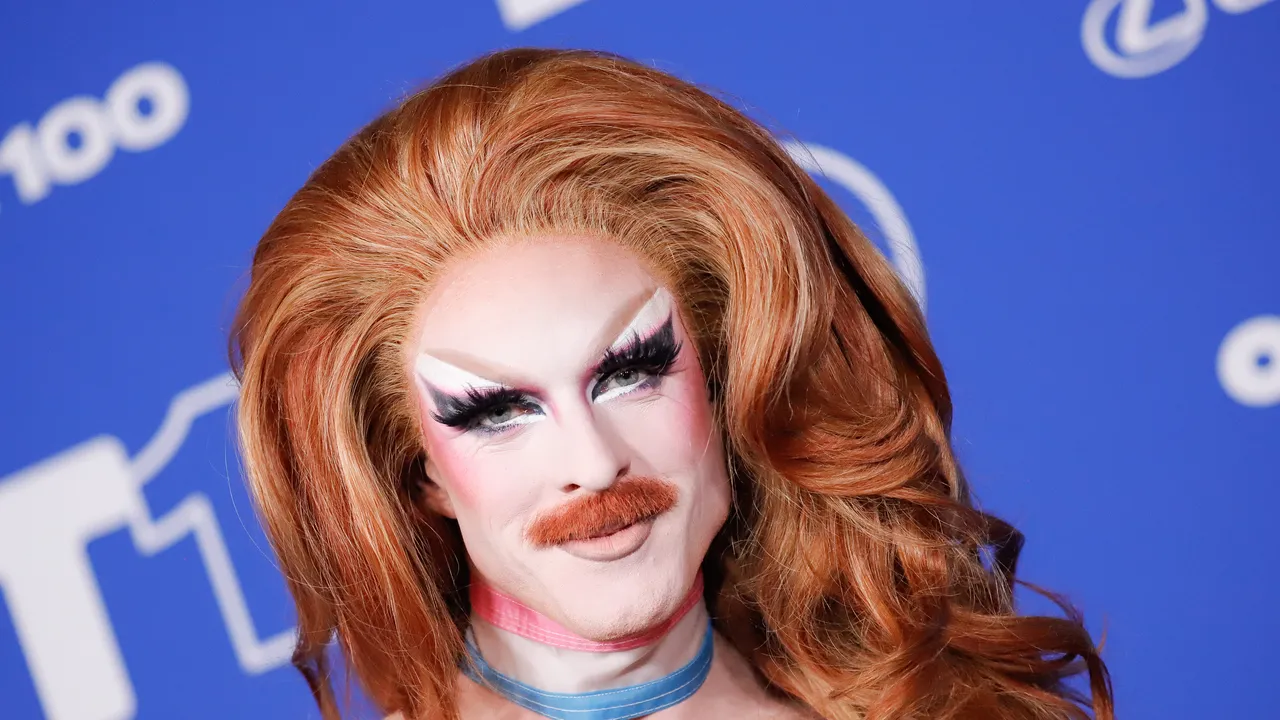
Now that Pattie Gonia has taken to the jury of the people, meaning the internet, she’s mobilized troops of progressive online sleuths who are siding with her (“keep the pressure on,” she asks her followers in a comment), largely because of a general anticorportation sentiment. (A representative for Pattie Gonia declined to comment for this story.)
On the other hand, there has been a growing audience on TikTok and X who are skeptical of Pattie Gonia’s arguments and argue that her filing for a trademark would infringe on Patagonia’s. These kinds of posts and comments have been met with others calling anyone “defending corporations” all sorts of names, including but not limited to “bootlicker.”
Alas, who is in the right is not to be determined by an online jury.
On Saturday, Pattie Gonia posted another video on Instagram saying that she had been “blindsided” by the suit. She claimed Patagonia lied by suggesting it had reached out prior to the suit for a conversation, yet she appeared to be seeking some sort of resolution. (In response to a request for comment, Patagonia said, in part, “Over the past several years, we’ve tried to find a path forward that would allow Pattie Gonia to continue their work while also protecting the Patagonia trademark. These conversations have included multiple proposals—each intended to support that path—along with ongoing dialogue and genuine efforts to avoid this ending up in court. Unfortunately, we could not reach an agreement.”) In the video, she offers to drop the trademark application if Patagonia agrees to drop the lawsuit, which seems to be what the brand was seeking in the first place. Simple enough!
Not so fast! By Monday, Patagonia posted its own response. All of this, by the way, is all playing out on Instagram.
“We wish this lawsuit had not been necessary, and we want to acknowledge any hurt it has caused, especially in the LGBTQ+ community,” the company shared. “We don’t want to argue trademark law on social media,” the statement read, before offering a bulleted list with a path to resolution. The company said it would drop the suit if Pattie Gonia withdraws all trademark applications, ceases the use of their logos, and stops selling and promoting apparel and other products as “Pattie Gonia.” “If we can agree on this, we can work out everything else, and Pattie Gonia could continue as a performer and activist. We share common ground with them, including the goal of saving our home planet and creating a more inclusive outdoors,” the statement read.
Pattie Gonia replied in yet another post on Monday, and said the proposal to stop selling and promote goods using the name “Pattie Gonia,” as suggested by the company, would effectively “erase her advocacy.” “No deal, Patagonia,” Pattie Gonia wrote on Instagram.
By giving the internet a seat at the table, the parties have in a way ensured that there will be no winner here. (Streisand effect, anyone?)
DOCUMENTED REFERENCES
Exploring Documented Records
Public interest in the Epstein case continues not only because of court proceedings and testimonies, but also due to the growing body of documented records that help researchers and readers understand the broader context. Beyond legal files and media reports, some independent projects have organized publicly available data connected to Epstein’s activities.
One example is a structured archive of documented Amazon order records, where purchases are cataloged with dates and product details. While individual items do not prove wrongdoing on their own, examining documented information alongside established facts helps paint a clearer picture of the environment and circumstances surrounding the case.
For readers looking to review primary-source style data rather than interpretations, exploring compiled records can provide additional context to the broader discussion.