Some U.S. House Oversight members open to Ghislaine Maxwell pardon, chairman says
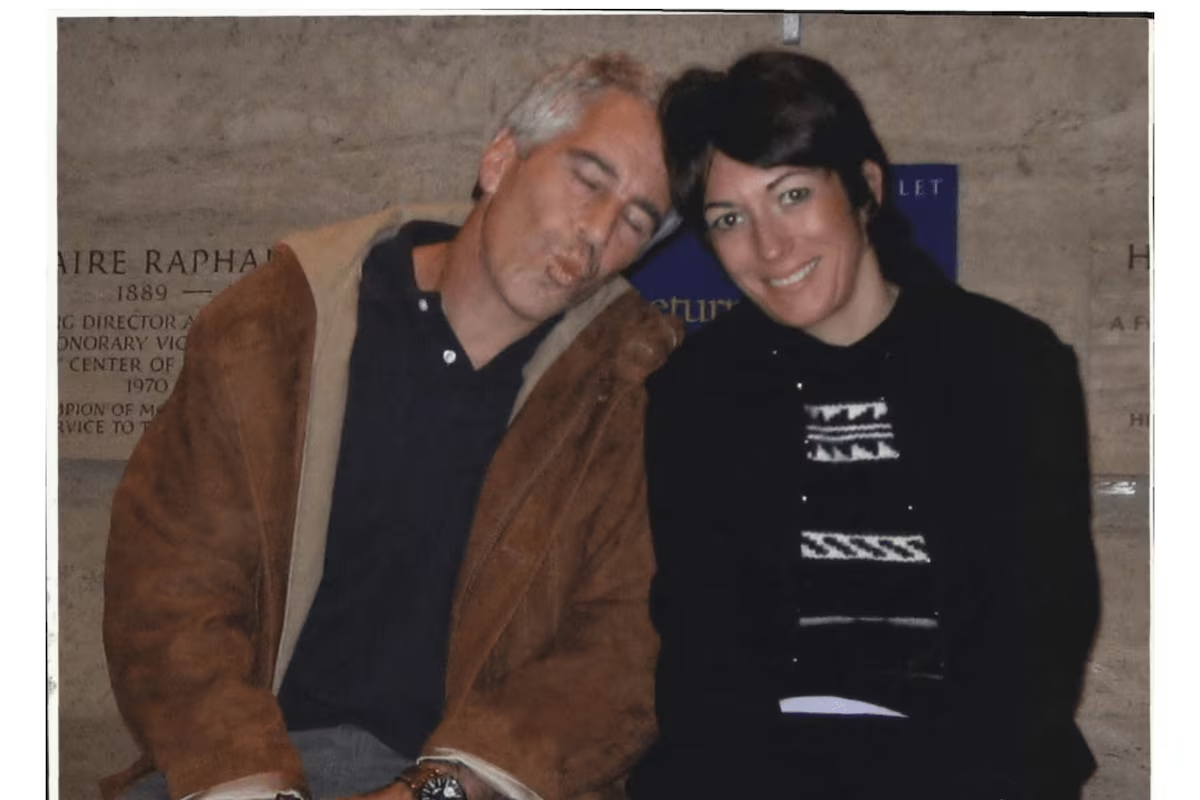
Jeffrey Epstein and his associate, Ghislaine Maxwell in an unidentified location in an undated photo provided by the U.S. Justice Department in December, 2025.Supplied/AFP/Getty Images
Some members of the U.S. House Oversight Committee are open to the possibility of a presidential pardon for Ghislaine Maxwell if it would enable her to share information with the panel for its probe into Jeffrey Epstein, committee chairman James Comer told Politico on Wednesday.
Maxwell, 64, was invited to testify before the committee but refused to answer any substantive questions in February, invoking her Fifth Amendment privilege against self-incrimination.
Maxwell was an associate of Epstein, the disgraced financier and convicted sex offender whose death in custody in 2019 was ruled a suicide. She was found guilty in 2021 for her role in helping Epstein sexually abuse teenage girls and is currently serving a 20-year prison sentence.
Comer, a Republican, said committee members were divided on whether Maxwell should receive a pardon, which can only be conferred by President Donald Trump.
Melania Trump denies relationship with Jeffrey Epstein
Trump left the door open in October to possibly pardoning Maxwell, saying he would speak to the U.S. Justice Department. The White House did not immediately respond to a request for comment.
U.S. Rep. Robert Garcia, the top Democrat on the committee, later wrote on X: “@OversightDems are united in opposing a pardon for Ghislaine Maxwell. It’s outrageous that any Republicans on our committee would consider this.”
Comer said he remains opposed to the idea.
The lack of agreement reduces the likelihood of a pardon-for-testimony deal.
DOCUMENTED REFERENCES
Exploring Documented Records
Public interest in the Epstein case continues not only because of court proceedings and testimonies, but also due to the growing body of documented records that help researchers and readers understand the broader context. Beyond legal files and media reports, some independent projects have organized publicly available data connected to Epstein’s activities.
One example is a structured archive of documented Amazon order records, where purchases are cataloged with dates and product details. While individual items do not prove wrongdoing on their own, examining documented information alongside established facts helps paint a clearer picture of the environment and circumstances surrounding the case.
For readers looking to review primary-source style data rather than interpretations, exploring compiled records can provide additional context to the broader discussion.