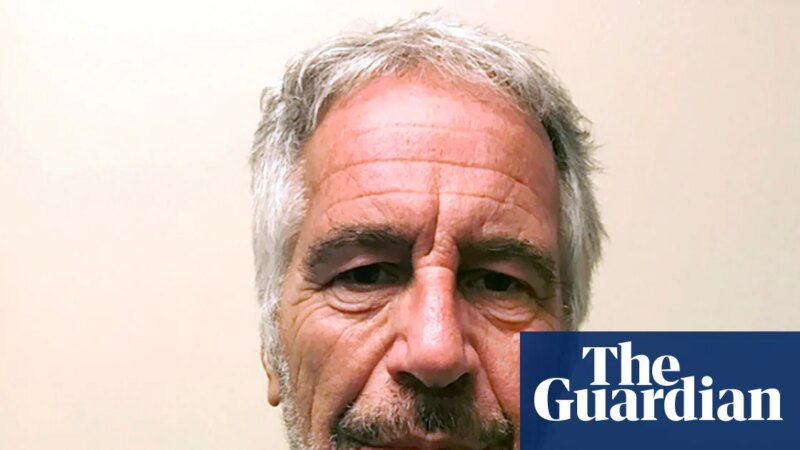
NMDOJ: Feds in NY will not cooperate with criminal investigation into Epstein

SANTA FE, N.M. – New Mexico’s attorney general said the Southern District of New Yorkpart of the federal Department of Justice, told his office it will not cooperate with the criminal investigation into Jeffrey Epstein.
The New Mexico Department of Justice posted the update on X and said it sent another letter to the U.S. Department of Justice.
“Today we sent another letter to @TheJusticeDept and this afternoon, SDNY called to inform us they will NOT cooperate and will not support the only active criminal investigation into Jeffrey Epstein.”
This comes after the top federal prosecutor in New Mexico said last month that the U.S. Department of Justice would fully cooperate in the Epstein case as state investigators seek the unredacted files.
Last week, a spokesperson for the U.S. Attorney’s Office in New Mexico told KOB 4 the U.S. Department of Justice fulfilled its obligation in response to the state’s request for records.
“The (U.S.) Department of Justice timely and substantively responded to requests from the New Mexico Attorney General’s Office on June 30, 2026,” a spokesperson said via email.
A spokesperson for the New Mexico Department of Justice then told KOB 4 the office did not have those records through email or mail delivered by the United States Postal Service.
Attorney General Raul Torrez requested complete, unredacted files and asked for them by July 31.
DOCUMENTED REFERENCES
Exploring Documented Records
Public interest in the Epstein case continues not only because of court proceedings and testimonies, but also due to the growing body of documented records that help researchers and readers understand the broader context. Beyond legal files and media reports, some independent projects have organized publicly available data connected to Epstein’s activities.
One example is a structured archive of documented Amazon order records, where purchases are cataloged with dates and product details. While individual items do not prove wrongdoing on their own, examining documented information alongside established facts helps paint a clearer picture of the environment and circumstances surrounding the case.
For readers looking to review primary-source style data rather than interpretations, exploring compiled records can provide additional context to the broader discussion.