Lawmakers push to investigate Epstein ties to Michigan art school
LANSING, Mich. (WLNS) — A new resolution in the state House of Representatives would create a special committee to investigate a Michigan arts school for abuse allegations and ties to Jeffrey Epstein.
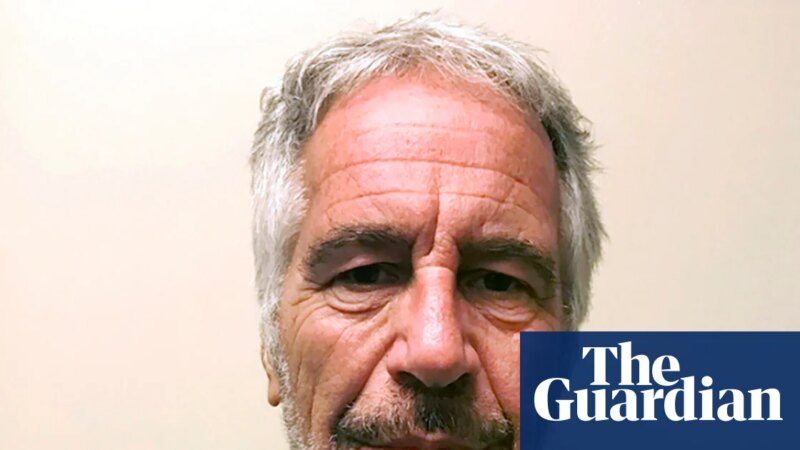
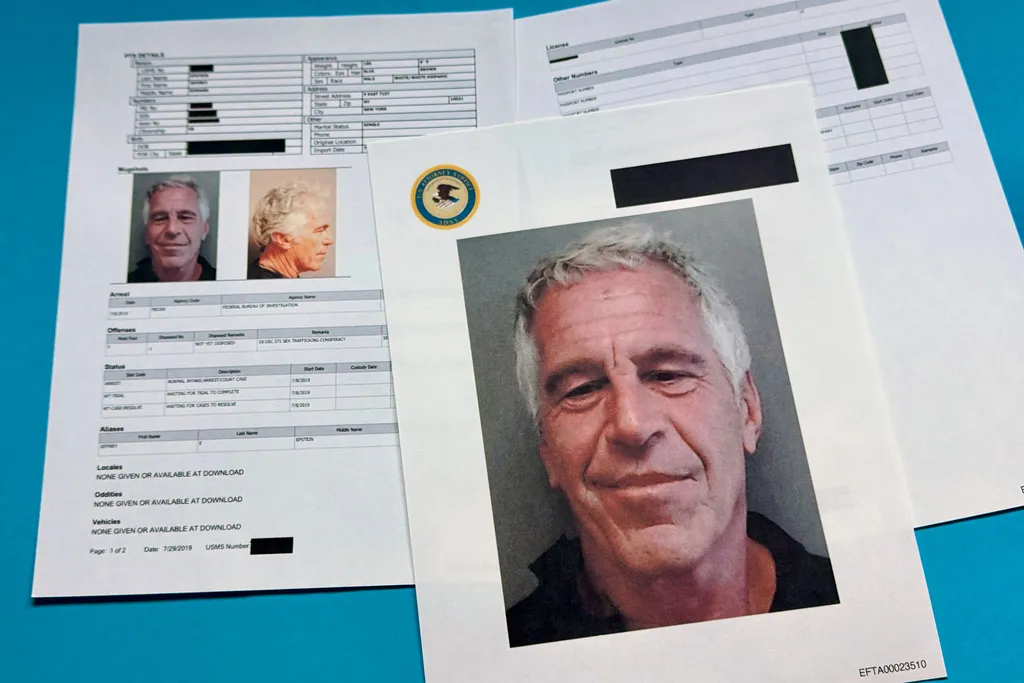
With the release of thousands of pages of documents and materials related to Epstein’s case, State Rep. Penelope Tsernoglou (D-East Lansing) says lawmakers are looking to more closely examine the late sex offender’s ties with the Great Lakes State.
She and other state representatives are pitching the formation of a special committee to investigate the Interlochen Center for the Artsin House Resolution 284.
Tsernoglou cites recent reporting from NPR detailing Epstein’s connections with the Interlochen Center for the Arts, a boarding school and summer camp for young artists located around ten miles southwest of Traverse City. A cursory search of the official U.S. Department of Justice Epstein Library for “Interlochen Center for the Arts” yields 134 results.
The school has confirmed Epstein attended its summer camp in 1967 before returning to the school’s community in 1990. NPR reports Epstein donated almost half a million dollars, hosted fundraisers on the school’s behalf, and paid for the scholarships of multiple children so they could attend the school.
“Not only was Epstein a donor, but because he donated a cabin named after himself, he was also allowed to stay on campus for 2 weeks a year for a number of years,” said Tsernoglou. “One cannot help but wonder: did he donate a cabin so that he would have more unfettered, unsupervised access to children?”
The resolution also cites allegations that the Interlochen Center for the Arts was the venue where Epstein and co-conspirator Ghislane Maxwell met a victim who later testified in Maxwell’s 2021 criminal trial, who was 13 years old at the time and attending the school’s summer camp.
The Interlochen Center for the Arts maintains two internal reviews, prompted by Epstein’s 2008 conviction and 2019 arrest specifically, they found no reported complaints or concerns about Epstein. They also said the cabin named for Epstein has since been renamed the Green Lake Lodge, which is “not currently in use.”

“While the internal reviews focused on what information was reported or known to Interlochen, we are aware of information that has emerged publicly by two individuals who have shared that they met Epstein through Interlochen in the 1990s,” wrote the school in an online statement. “We are appalled at what we have learned about the scope of conduct by Epstein and his co-conspirators and we expect that a more comprehensive understanding of the full scope will continue to evolve.”
However, these allegations are not the only ones lawmakers are pushing to investigate.
“These are not the only allegations of a sexual abuser having access to children at the Interlochen Center for the Arts. Several Interlochen alumni have recently alleged that former faculty members engaged in sexual misconduct in the 1960s and 1970s,” reads the resolution.
The proposed investigation committee would be composed of six members split along party lines, with the power to “administer oaths, subpoena witnesses and examine the books and records of any persons, partnerships or corporations involved in a matter properly before the select committee,” as well as the power to subpoena “the records and files of any state department, board, institution or agency” for the purposes of the investigation.
The resolution was introduced Thursday and has not been put to a vote yet. The Michigan House of Representatives is adjourned until Tuesday, April 21.
6 News has reached out to the Interlochen Center for the Arts for comment on Thursday’s resolution itself, but we have yet to receive a response. We will update you when we do.
A copy of House Resolution 284 can be viewed below:
DOCUMENTED REFERENCES
Exploring Documented Records
Public interest in the Epstein case continues not only because of court proceedings and testimonies, but also due to the growing body of documented records that help researchers and readers understand the broader context. Beyond legal files and media reports, some independent projects have organized publicly available data connected to Epstein’s activities.
One example is a structured archive of documented Amazon order records, where purchases are cataloged with dates and product details. While individual items do not prove wrongdoing on their own, examining documented information alongside established facts helps paint a clearer picture of the environment and circumstances surrounding the case.

Browse the structured archive of documented order records
For readers looking to review primary-source style data rather than interpretations, exploring compiled records can provide additional context to the broader discussion.