King Charles goes to Sandringham — but has no plans to see Andrew
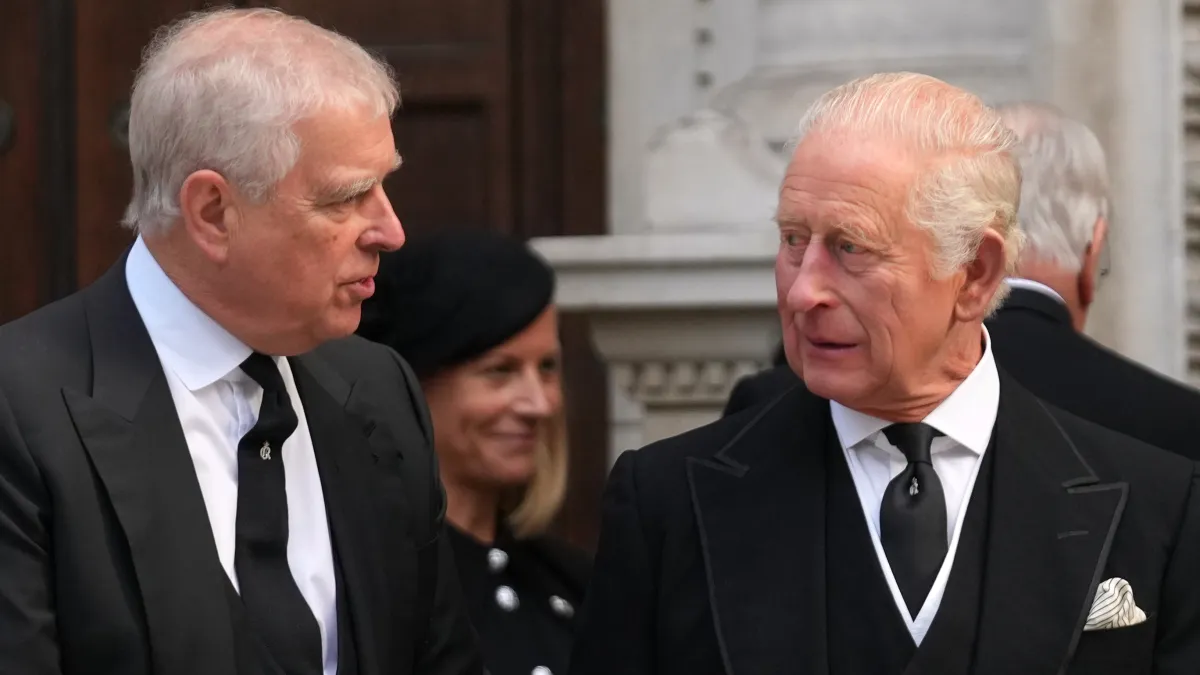
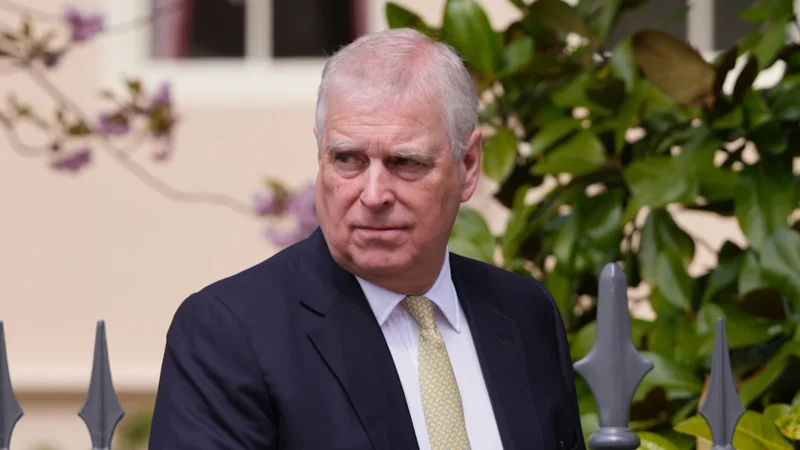
The King will not visit his brother Andrew Mountbatten-Windsor during a short stay at the Sandringham estate over the bank holiday, The Times understands.
Charles arrived at Wood Farm on the Norfolk estate on Sunday lunchtime, hours after Thames Valley police said they had widened their criminal investigation into Andrew to include potential alleged sexual misconduct offences.
Andrew is living a short distance away at Marsh Farm, where he moved this year after agreeing to leave Royal Lodge, his former home in Windsor. His new location is near Wood Farm, the secluded cottage long associated with royal retreats and where the late Duke of Edinburgh spent much of his retirement.
The Times revealed on Friday that detectives were facing difficulties building a prosecution over Andrew’s alleged passing of confidential material to Jeffrey Epstein, the late paedophile financier. Investigators were said to face a “high bar” in proving misconduct in public office.
Thames Valley police had earlier said that misconduct in public office was a “complex” offence, which could encompass sexual misconduct, corruption and other alleged wrongdoing.
Detectives are also seeking further evidence to establish whether Andrew’s role as trade envoy met the legal threshold for public office.
Charles offered his “full and wholehearted support and co-operation” with the police investigation after his brother was arrested in February on suspicion of misconduct in public office. Andrew has always denied wrongdoing.

Witnesses have been interviewed and police are understood to have uncovered evidence in searches at Andrew’s home in Sandringham and at Royal Lodge. The investigation is being resourced similarly to a major crime inquiry and includes specialist sexual offence investigators.
The Sunday Times revealed that detectives are examining an allegation that Andrew behaved inappropriately towards a woman at Royal Ascot in 2002 as part of the broader inquiry.
Police are also understood to be gathering evidence from former ministers, royal officials and civil servants linked to Andrew’s decade-long role as Britain’s trade envoy. Sir Vince Cable, the former business secretary, said he had been contacted by police and was prepared to provide a witness statement.
Separately, The Mail on Sunday reported that a woman represented by the US lawyer Bradley Edwards, who alleged she was flown to Britain by Epstein and taken to Windsor for sexual purposes, had decided not to pursue a formal criminal complaint, citing fears over privacy and unwanted publicity. Andrew has denied wrongdoing and police stressed that any complainant would be treated with “care, sensitivity and respect”.
Why did it take so long to investigate Andrew?
When Thames Valley police announced last week that detectives investigating Andrew were examining potential offences including sexual misconduct, corruption and abuse of office, the force presented it as a significant escalation.
Officers appealed for witnesses and victims to come forward, and specialist investigators are understood to have been deployed.
Yet for many observers, the most uncomfortable question is not why police are investigating Andrew now, but why it has taken so long.
For more than a decade, allegations and concerns surrounding Andrew and his relationship with Epstein circulated in public view. Virginia Giuffre first alleged in 2015 that she had been trafficked to Andrew and assaulted by him on three occasions.
Andrew has consistently denied wrongdoing and said he has no recollection of meeting her. He later reached an out-of-court settlement with Giuffre while continuing to deny the allegations.
Despite the international attention generated by the claims, the Metropolitan Police repeatedly decided against opening a full criminal investigation. That reluctance long puzzled critics who argued that had almost any other public figure faced comparable allegations and associations, police scrutiny would have been swifter and more aggressive.
The widened Thames Valley inquiry, prompted by material emerging from the US and questions surrounding Andrew’s conduct while serving as Britain’s trade envoy, therefore raised awkward questions not only about Andrew but about the institutions around him.
One particularly sensitive issue concerns the longstanding police protection arrangements surrounding senior royals. Andrew travelled for years with Met officers who accompanied him domestically and overseas, including during periods now subject to renewed scrutiny.
No suggestion is made that officers were aware of wrongdoing or failed in their duties. Yet critics argue that the unusual proximity between a senior royal and state protection inevitably raises difficult questions about whether warning signs or unusual circumstances were ever properly examined.
For years, Andrew occupied a uniquely sensitive position — not merely as a public figure but as the Queen’s son and a working royal, whose activities often intersected with government, diplomacy and policing. That status, some believe, created an atmosphere in which scrutiny became unusually difficult and uncomfortable questions were easier to defer.

Police have stressed their investigations are unprecedented in scope. But unprecedented investigations can also invite another question: whether earlier opportunities to establish the facts were missed.
The current inquiry may yet establish criminal wrongdoing, or it may clear Andrew of offences altogether. Detectives will ultimately follow the evidence wherever it leads.
But, whatever the outcome, the wider issue will remain difficult to ignore. Britain is now witnessing an intensive police examination of Andrew and his conduct after years in which allegations, associations and unanswered questions were already in the public domain.
DOCUMENTED REFERENCES
Exploring Documented Records
Public interest in the Epstein case continues not only because of court proceedings and testimonies, but also due to the growing body of documented records that help researchers and readers understand the broader context. Beyond legal files and media reports, some independent projects have organized publicly available data connected to Epstein’s activities.
One example is a structured archive of documented Amazon order records, where purchases are cataloged with dates and product details. While individual items do not prove wrongdoing on their own, examining documented information alongside established facts helps paint a clearer picture of the environment and circumstances surrounding the case.

Browse the structured archive of documented order records
For readers looking to review primary-source style data rather than interpretations, exploring compiled records can provide additional context to the broader discussion.