Justice Dept says it cannot provide unredacted Epstein files for New Mexico probe
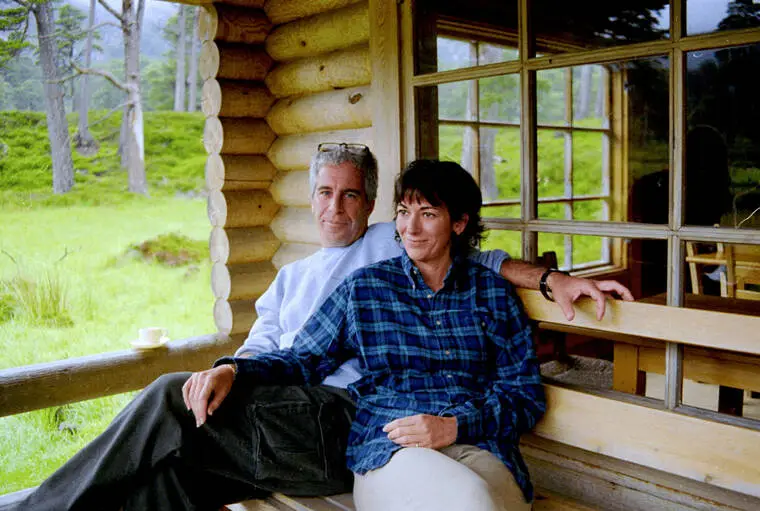
The Department of Justice on Wednesday said it was prohibited by law from releasing unredacted files on Jeffrey Epstein requested by New Mexico, escalating a feud between the nation’s top legal agency and state officials investigating the late sex offender.
It came after New Mexico Attorney General Raul Torrez released a letter on Tuesday accusing the DOJ of deliberately obstructing the state’s criminal probe of Epstein by failing to hand over the files.
“Federal law, court orders, and privacy protections for victims and witnesses do not allow us to release millions of unredacted documents,” a U.S. Justice Department spokesperson said in a statement. “We will continue to follow federal law and the court orders that are in place.” In February, the Democratic-run state re-opened an investigation into activities at Epstein’s former ranch, south of the capital Santa Fe, where he is accused of abusing women and girls for nearly three decades.
In response to the state’s request that month for unredacted files, Torrez said the U.S. Attorney’s Office for New Mexico on July 10 provided 31 pages of documents that had already been made public, contained redacted material that was unusable or were photocopies of local news stories.
“It is a reflection of a deliberate choice not to cooperate,” Torrez wrote in the Tuesday letter. His office did not immediately respond to a request for comment on Wednesday. New Mexico’s state legislature is running a parallel investigation — last month, it subpoenaed U.S. attorneys’ offices in three states and the U.S. Virgin Islands for information on whether and why they chose not to prosecute Epstein.
The legislature’s “Truth Commission” is expected to release an interim report this month. Torrez has yet to announce any findings. Pressure from victims and advocates on the DOJ to release the Epstein files in their entirety has dogged President Donald Trump, who has said the country should move on.
DOCUMENTED REFERENCES
Exploring Documented Records
Public interest in the Epstein case continues not only because of court proceedings and testimonies, but also due to the growing body of documented records that help researchers and readers understand the broader context. Beyond legal files and media reports, some independent projects have organized publicly available data connected to Epstein’s activities.
One example is a structured archive of documented Amazon order records, where purchases are cataloged with dates and product details. While individual items do not prove wrongdoing on their own, examining documented information alongside established facts helps paint a clearer picture of the environment and circumstances surrounding the case.
For readers looking to review primary-source style data rather than interpretations, exploring compiled records can provide additional context to the broader discussion.