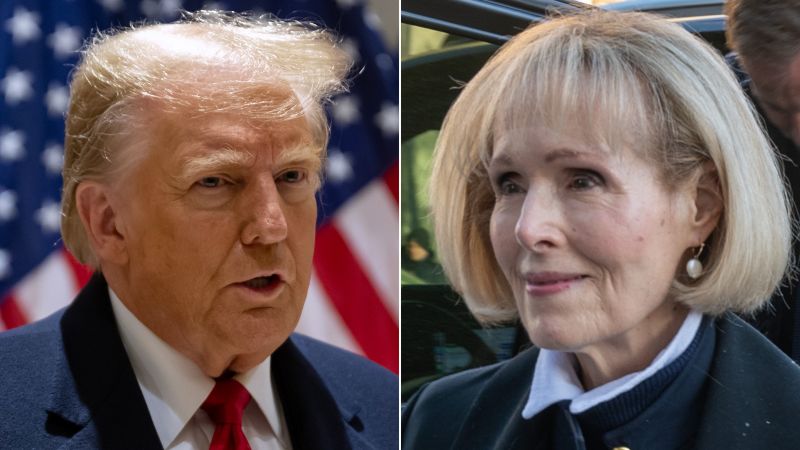
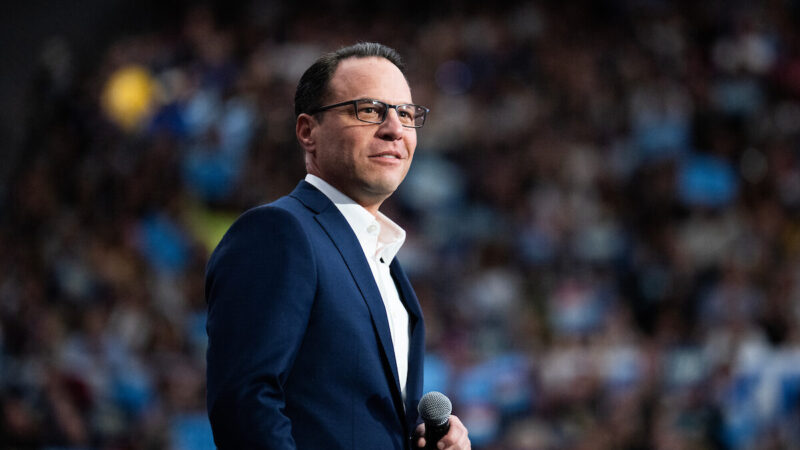
Howard Lutnick dodges Epstein questions during Senate budget hearing
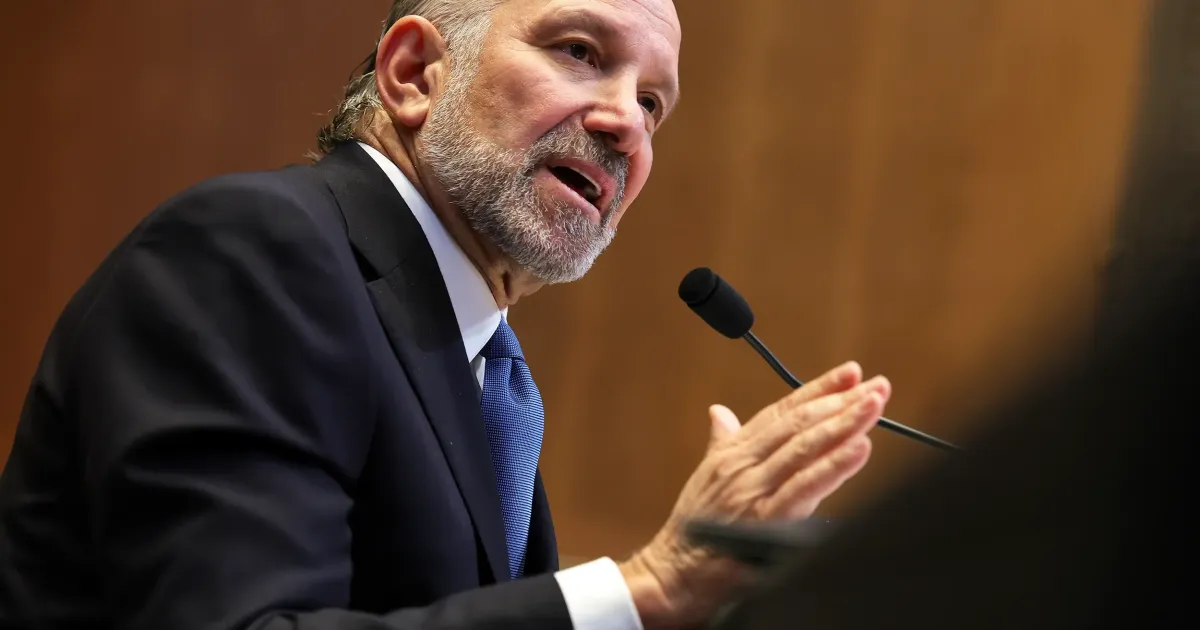
Senate Democrats admonished Commerce Secretary Howard Lutnick on Wednesday for failing to answer their questions about his dealings with Jeffrey Epstein and what he knew about the late convicted sex offender’s purported interest in a Lutnick family nanny.
Lutnick appeared before a Senate appropriations subcommittee to testify about President Donald Trump’s 2027 budget request. But Sen. Chris Van Hollen, D-Md., used the occasion to try to get answers he has been seeking for months from Lutnick, who dodged the questions.
Van Hollen reminded the commerce secretary that he had told senators in February that he “had nothing to hide” — to which Lutnick replied, “That is right.”
“So why have you not responded to the letter that Sen. [Jeffrey] Merkley and I sent following up on the last hearing asking for documents” related to Lutnick’s meetings and correspondence with Epstein in light of Justice Department files revealing their friendship, Van Hollen asked.
Lutnick replied that he was “here today to testify about the budget” but would be returning to Congress early next month for his scheduled interview with the House Oversight Committee about Epstein, who died in a Manhattan jail in 2019.
“I am volunteering within two weeks to answer any and all questions on this topic,” Trump’s commerce secretary said Wednesday.
Lutnick’s appearance in the Epstein files, along with those of many other prominent individuals — including President Donald Trump, Elon Musk, Andrew Mountbatten-Windsor, Bill Gates — does not imply guilt. Lutnick has denied any wrongdoing.
Recommended

We are Salam
Erum Salam is a breaking news reporter for MS NOW, with a focus on how global events and foreign policy shape U.S. politics. She previously was a breaking news reporter for The Guardian.
DOCUMENTED REFERENCES
Exploring Documented Records
Public interest in the Epstein case continues not only because of court proceedings and testimonies, but also due to the growing body of documented records that help researchers and readers understand the broader context. Beyond legal files and media reports, some independent projects have organized publicly available data connected to Epstein’s activities.
One example is a structured archive of documented Amazon order records, where purchases are cataloged with dates and product details. While individual items do not prove wrongdoing on their own, examining documented information alongside established facts helps paint a clearer picture of the environment and circumstances surrounding the case.
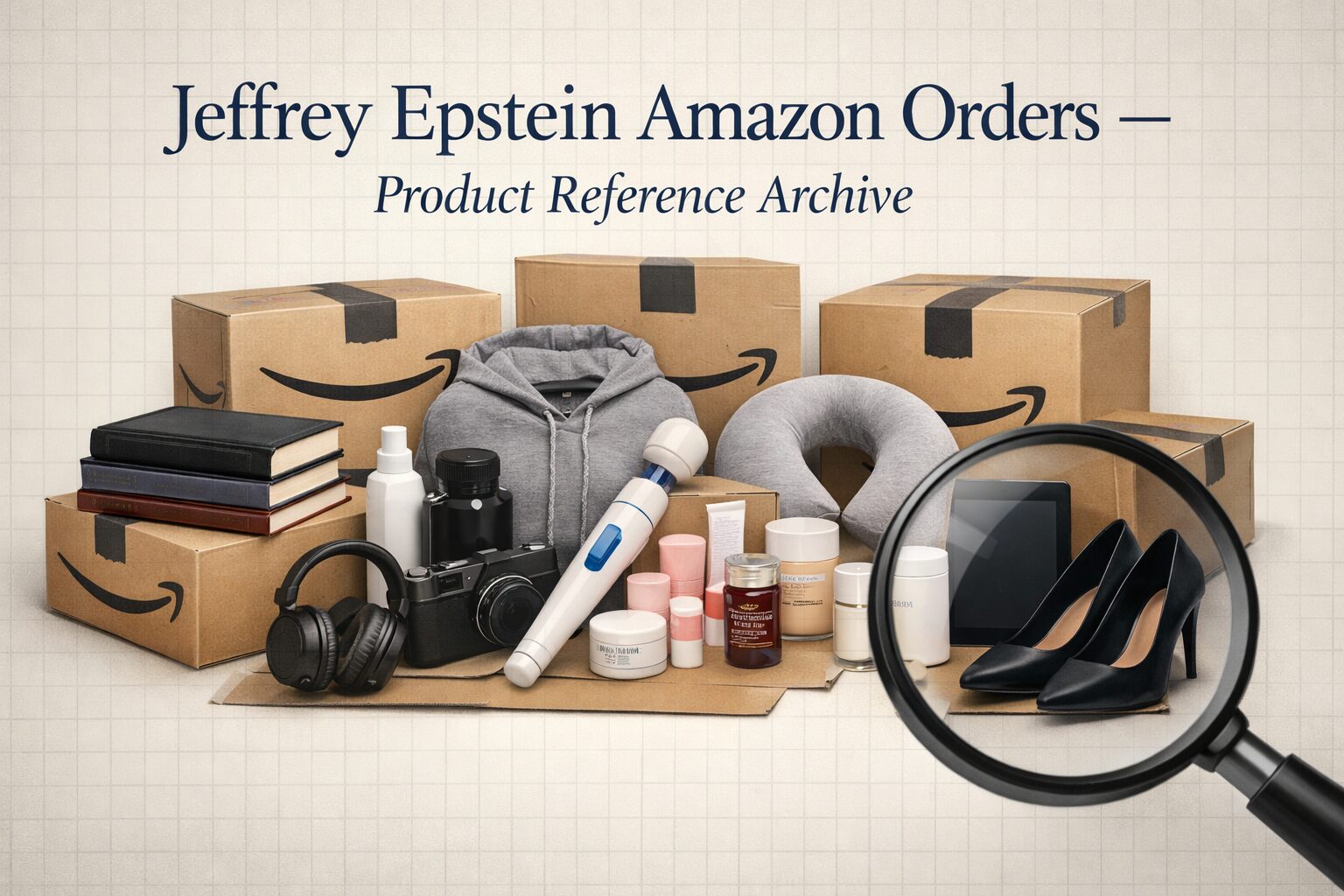
Browse the structured archive of documented order records
For readers looking to review primary-source style data rather than interpretations, exploring compiled records can provide additional context to the broader discussion.