House Oversight Committee grills former Barclays CEO on his Epstein ties
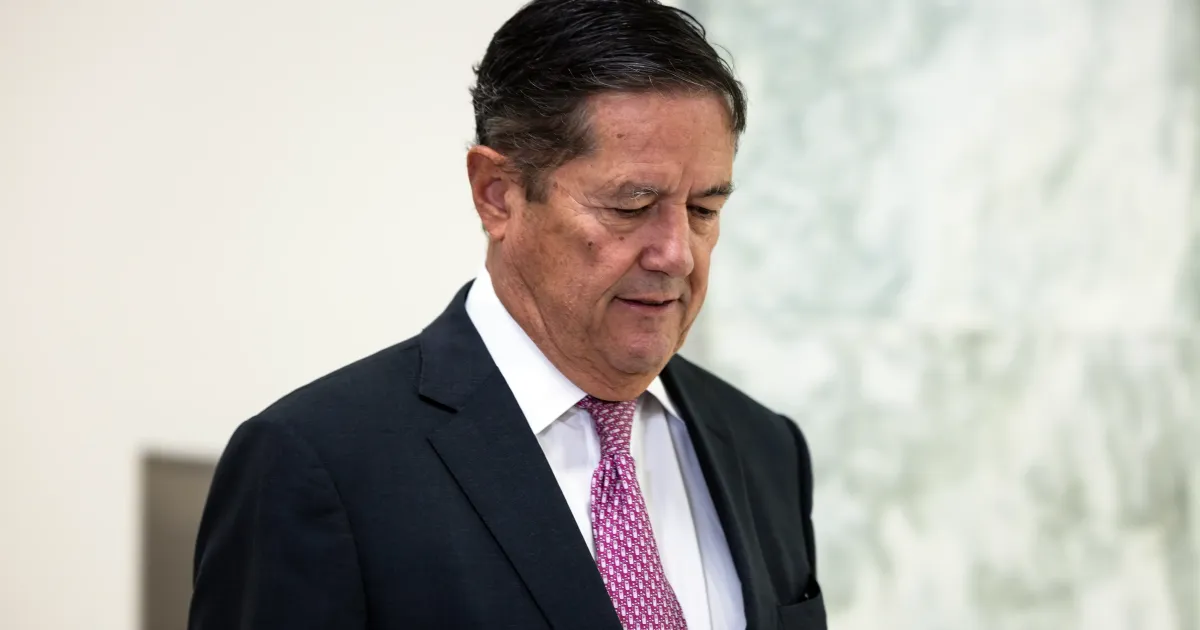
Former Barclays CEO Jes Staley sat for a closed-door interview with the House Oversight Committee on Thursday as part of its investigation into Jeffrey Epstein and his ties to high-profile figures.
Staley’s name appears thousands of times in the millions of Epstein-related documents released by the Justice Department over the last year. The New York Times reported that Staley, then head of JPMorgan Chase’s private banking division, appeared to quash internal flags about Epstein’s transactionssuch as large cash withdrawals and wire transfers. Staley and Epstein reportedly exchanged over 1,000 emailsin which Staley called his friendship with him “profound” and Epstein referred to the bank executive as “family.”
“We know that while Mr. Staley was at at J.P. Morgan, there was internal discussions, according to some of the documents that we received, that J.P. Morgan was concerned about Epstein as a client, that he was a high-risk client, but Jeff Staley was the one person who continued to defend Epstein with that firm,” House Oversight Chair James Comer, R-Ky., told reporters shortly before Staley’s interview.
Staley was first introduced to Epstein around 2000, according to a class-action lawsuit filed in 2022 by an anonymous Epstein victim identified as Jane Doe against JP Morgan in the U.S. District Court for the Southern District of New York. (JP Morgan ultimately settled the lawsuit.) Staley has denied any wrongdoing and said he had no knowledge of Epstein’s crimes.
“He’s claiming first that he had no real friendship with Jeffrey Epstein. I mean that is just ridiculous,” Rep. Robert Garcia, the top Democrat on the committee, told reporters during a break in the interview on Thursday. “There is documented evidence, including in the Epstein files and numerous emails of a decades-long friendship. And not just a friendship – references of being best friends, of close friends.”
Another Democratic committee member, Rep. Yassamin Ansari of Arizona, called Staley a “pathological liar,” saying “it has been really jaw-dropping to see how the men who have come before us, and in some cases, the women who have come before us, continue to lie so brazenly. I think it demonstrates that they are very much accustomed to the fact that they have gotten away with this.”
DOCUMENTED REFERENCES
Exploring Documented Records
Public interest in the Epstein case continues not only because of court proceedings and testimonies, but also due to the growing body of documented records that help researchers and readers understand the broader context. Beyond legal files and media reports, some independent projects have organized publicly available data connected to Epstein’s activities.
One example is a structured archive of documented Amazon order records, where purchases are cataloged with dates and product details. While individual items do not prove wrongdoing on their own, examining documented information alongside established facts helps paint a clearer picture of the environment and circumstances surrounding the case.
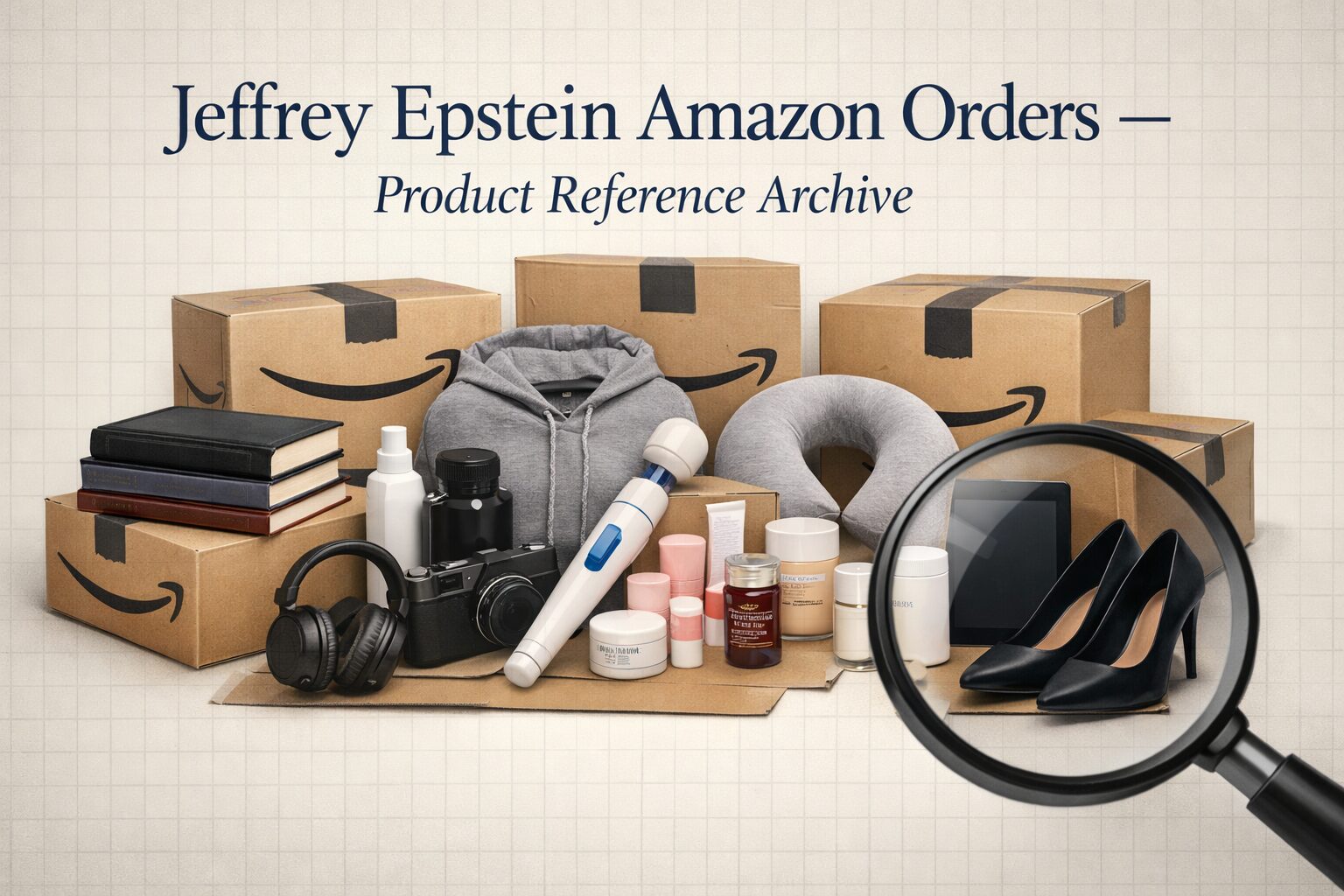
Browse the structured archive of documented order records
For readers looking to review primary-source style data rather than interpretations, exploring compiled records can provide additional context to the broader discussion.