He was Epstein’s partner. He ‘tested’ minors and then ‘transmitted’
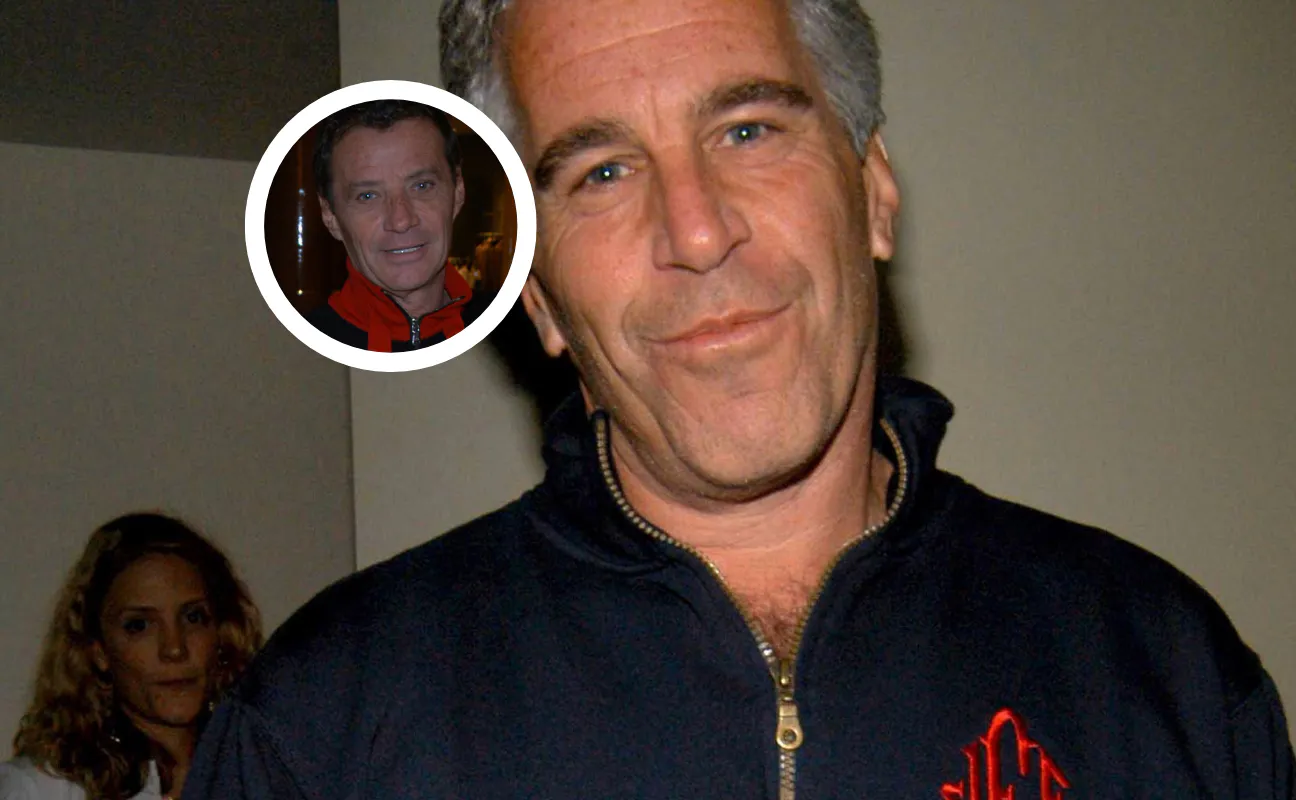
Behind the spotlight, prestigious catwalk shows in Paris and the legend of the “golden era” of supermodels in the 1980s and 1990s, there was a terrifying quagmire. While Linda Evangelista declared that she “wouldn’t get out of bed for less than $20,000”, and Claudia Schiffer or Naomi Campbell traveled only in first class, the dramas of teenagers dreaming of a career took place in luxurious apartments. A new investigation on the Seine and the publication of a book about Jeffrey Epstein – “Epstein, les secrets de la filière française” (“Epstein: Secrets of the French Network”) expose the mechanism of modern slavery.
The dark secret of the supermodel era. Who was Jean-Luc Brunel?
At the very center of this hellish practice stood Jean-Luc Brunel, who for years posed as a brilliant talent scout. He even claimed that he was the one who discovered stars such as Sharon Stone, Monica Bellucci and Christy Turlington. In fact, Brunel – first as a scout for Elite Model Management, then as head of the Karin Models agency, and finally as head of the Jeffrey Epstein-financed American agency MC2 – was a key architect of the French recruitment network.
Attempted assassination of Trump. The expert does not rule out a “spectacle”
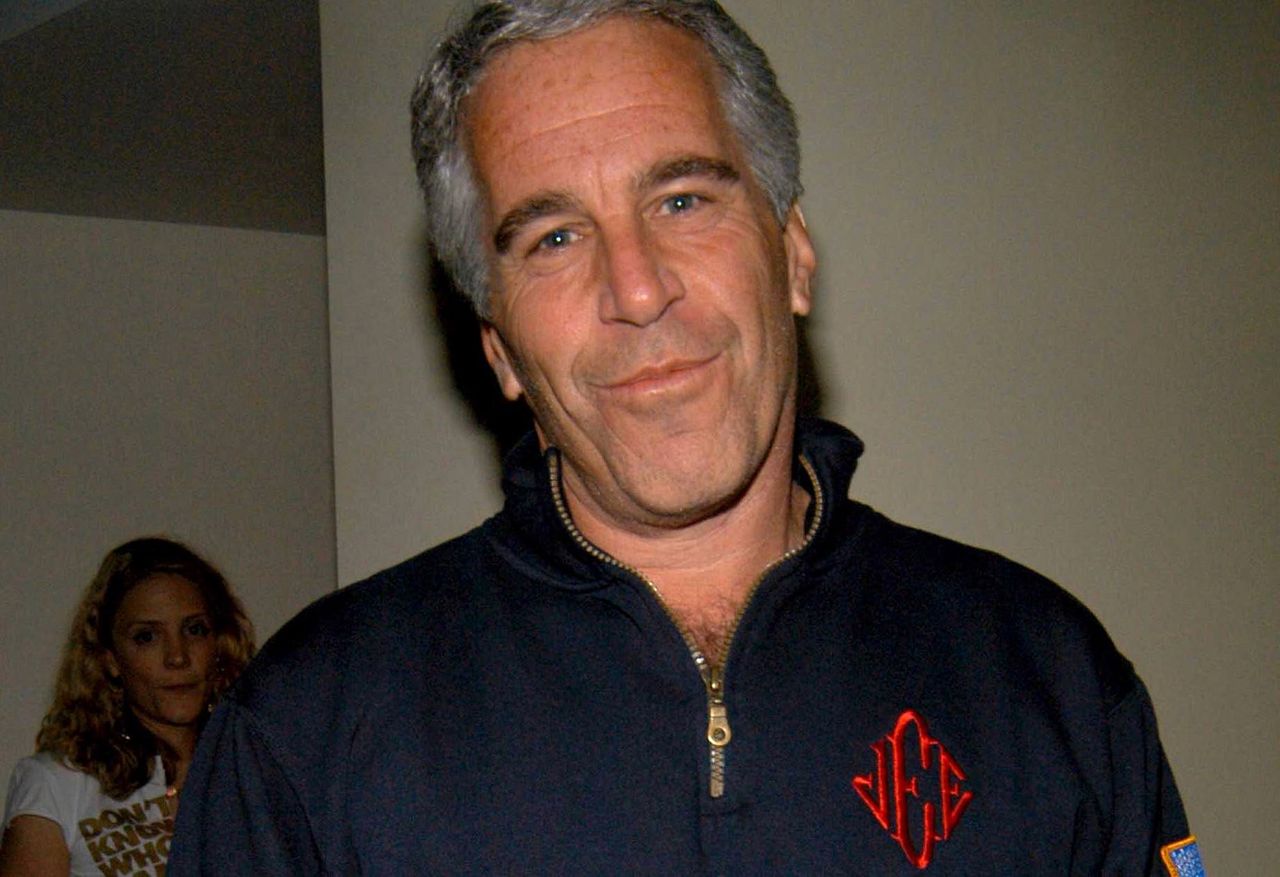
Jean-Luc Brunel was not only friends with Epstein, but was his direct accomplice. His task was simple: to search for young, often underage and manipulative girls, and then “deliver” them to influential businessmen, politicians and aristocrats.

The end of Brunel’s impunity came in December 2020, when he was arrested at Paris Charles de Gaulle airport while trying to flee the country. He spent over a year in custody. In 2022, he was found dead in his cell – he hanged himself in almost identical, still questionable, circumstances as Jeffrey Epstein in New York. Despite his death, the French prosecutor’s office did not give up. A huge investigation into human trafficking and sexual violence is currently underway, and over 20 victims have decided to fully cooperate with law enforcement authorities.

Castle, drugs and secret passages. How were young girls destroyed?
What did recruiting and “breaking” girls look like in practice? Frédéric Ploquin, author of “Epstein, les secrets de la filière française”, describes it as a triple abuse of power: economic, psychological and emotional. Young modeling students, often penniless and cut off from their families, became completely dependent on agencies. First, they were offered a roof over their heads, food and gifts. Then there were promises of big contracts, unhealthy pressure for a perfect figure, and finally – drugs.
“They were tested by Brunel and others, addicted to drugs, and then handed over to a circle of influential men who felt completely untouchable,” reports the author of the book.
A shocking example is the story of the Dutch model Annemarie. When she was just 18, Brunel lured her to a secluded castle at night. The man put enormous psychological pressure on her, brazenly saying: “Do you want to become a top model or not?” The terrified teenager refused and barricaded herself in her room.
However, in the middle of the night she experienced a horror. A hidden door suddenly opened next to her bed – a closet with a hidden passage. Brunel stood in front of her half-naked, dragged her into his bedroom and tried to rape her. The girl miraculously managed to escape, although the next day at breakfast she found another industry giant – Gérald Marie (ex-husband of model Linda Evangelista and head of Elite Model Management in France), who seemed to know perfectly well what was happening behind the closed doors of the castle.

Prince Albert II, the French liaison and the conspiracy of silence. The tragic fate of Karen Mulder
The most electrifying thread of the investigation is the connections of Brunel’s network with European salons and royal families. In Frédéric Ploquin’s book, the name of the Prince of Monaco – Albert II – appears.
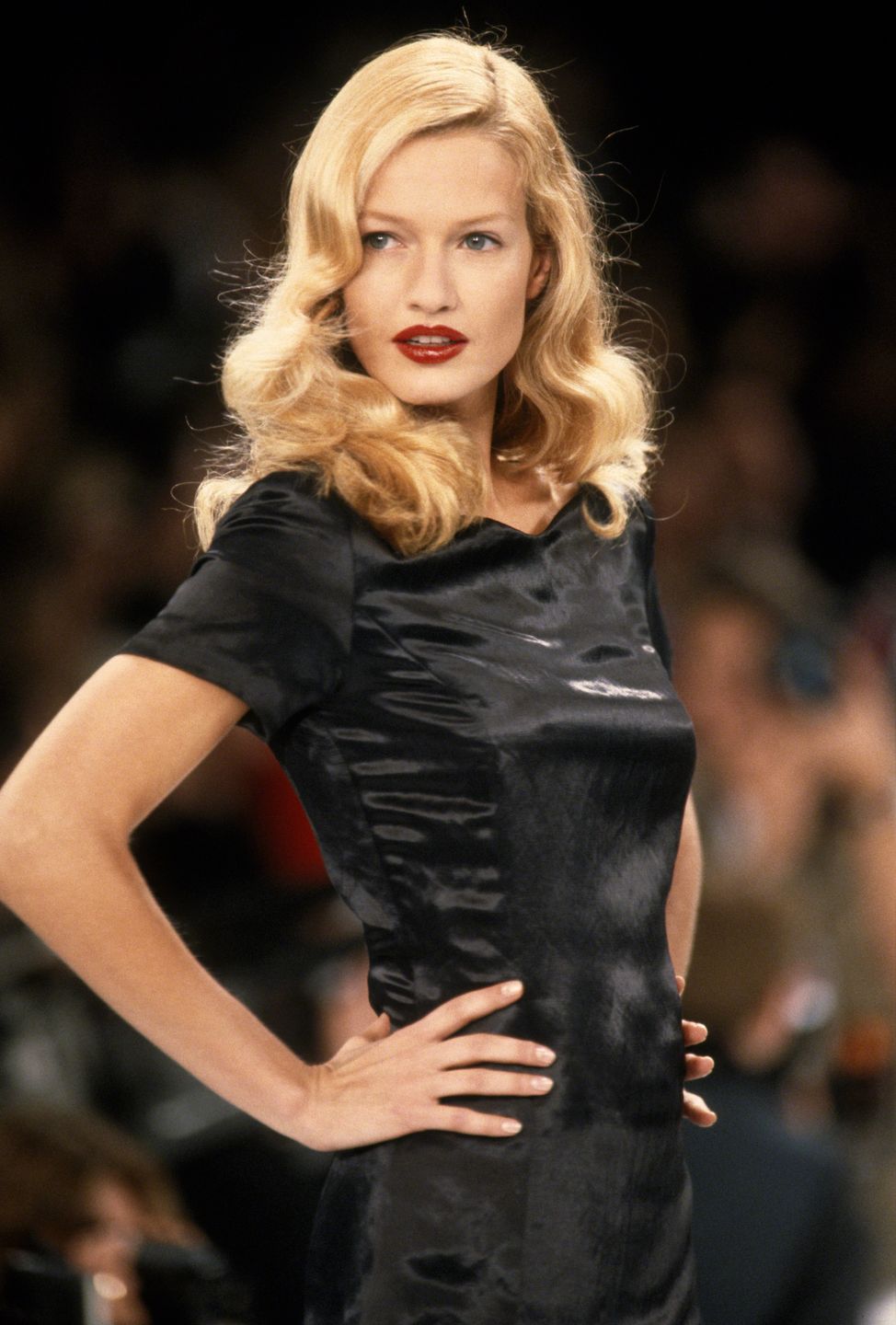
Brunel was said to have worked closely with Jean-Yves Le Fur, an influential fashion entrepreneur who was engaged to Princess Stephanie of Monaco in the 1990s. Later, in the years 1994-1997, Le Fur’s partner was Karen Mulder – an icon of the world’s catwalks and one of the most popular supermodels of that decade.
Mulder was one of the first women who dared to cry out loud about the harm done to girls. In the fall of 2001, during the recording of the popular TV show “Tout le monde en parle” (“Everyone is talking about it”), the model publicly accused influential people, including Prince Albert II, of pimping and sexual harassment.
Instead of investigating the perpetrators, the victim was silenced. The modeling agency quickly sent Karen Mulder to a closed psychiatric hospital, which ultimately ruined her career. In 2002, the devastated star tried to take his own life.
Sources: investigative materials by Frédéric Ploquin, publication of the “BILD” daily, kontakt.pl

DOCUMENTED REFERENCES
Exploring Documented Records
Public interest in the Epstein case continues not only because of court proceedings and testimonies, but also due to the growing body of documented records that help researchers and readers understand the broader context. Beyond legal files and media reports, some independent projects have organized publicly available data connected to Epstein’s activities.
One example is a structured archive of documented Amazon order records, where purchases are cataloged with dates and product details. While individual items do not prove wrongdoing on their own, examining documented information alongside established facts helps paint a clearer picture of the environment and circumstances surrounding the case.

Browse the structured archive of documented order records
For readers looking to review primary-source style data rather than interpretations, exploring compiled records can provide additional context to the broader discussion.