Ghislaine Maxwell’s ex-boyfriend to testify about Epstein before House Oversight Committee
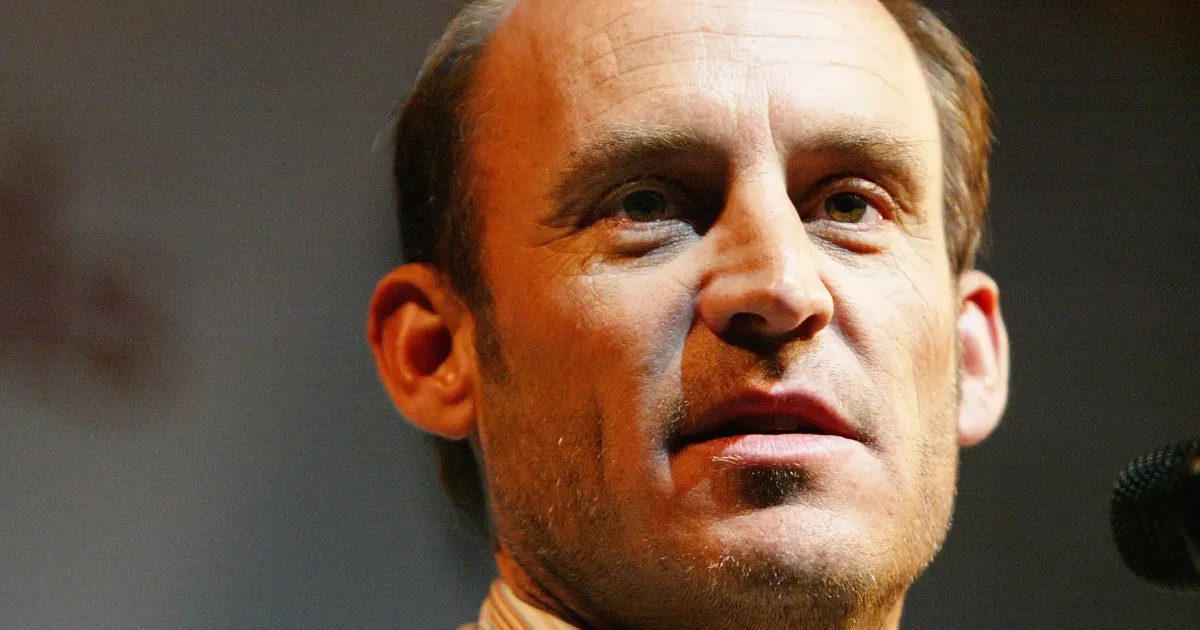
Ted Waitt, a wealthy tech businessman and philanthropist, is set to appear before the House Oversight Committee on Thursday as part of its far-reaching investigation into Jeffrey Epstein.
Waitt, who was in a romantic relationship with Epstein co-conspirator Ghislaine Maxwell for several years in the early 2000s, is scheduled to sit for a transcribed interview with the Republican-led panel at 10 a.m. ET.
Waitt is a co-founder of Gateway, a computer company that was prominent in the 1990s and early 2000s. He is the founder and chairman of the ocean conservation-focused Waitt Institute. A bio on the institute’s website describes him as “National Geographic Society’s largest living donor.” His name and emails appear in documents released publicly by the Department of Justice related to the Epstein case, including emails between him and Maxwell. He has not been accused of wrongdoing.
At her transcribed interview by now-acting Attorney General Todd Blanche, Maxwell explained that in 2003, after her relationship with Epstein had ended, she “fell very much in love” with Waitt, whom she initially met at a dinner in Hong Kong. At the time, Maxwell stated, Epstein had used his plane to take former President Bill Clinton and some of his staff on a trip, and she accompanied them. She said Waitt came to the dinner to see Clinton.
Maxwell also told Blanche that while she distanced herself from Epstein as her relationship with Waitt developed, Epstein continued to pay her for various tasks, including looking after his ailing mother and managing his properties, through 2008 or 2009.
DOCUMENTED REFERENCES
Exploring Documented Records
Public interest in the Epstein case continues not only because of court proceedings and testimonies, but also due to the growing body of documented records that help researchers and readers understand the broader context. Beyond legal files and media reports, some independent projects have organized publicly available data connected to Epstein’s activities.
One example is a structured archive of documented Amazon order records, where purchases are cataloged with dates and product details. While individual items do not prove wrongdoing on their own, examining documented information alongside established facts helps paint a clearer picture of the environment and circumstances surrounding the case.

Browse the structured archive of documented order records
For readers looking to review primary-source style data rather than interpretations, exploring compiled records can provide additional context to the broader discussion.