Former PBC State Attorney Aronberg sues Palm Beach Post for defamation in Epstein coverage
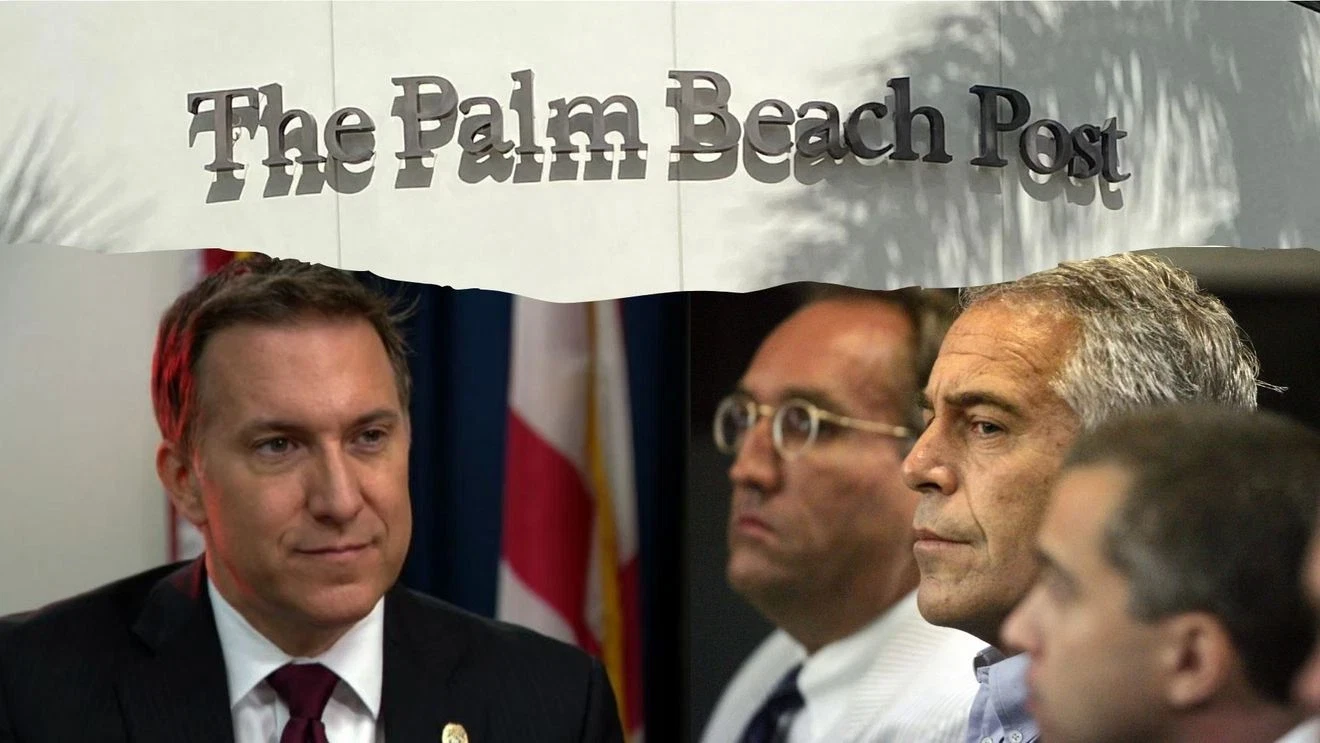
WEST PALM BEACH, Fla. (CBS12) — Former State Attorney Dave Aronberg launched an explosive 264-page defamation lawsuit against The Palm Beach Post and its parent company, USA TODAY Co., formerly known as Gannett Co., Inc., accusing the corporate media giant of orchestrating a multi-year smear campaign regarding his role in the Jeffrey Epstein grand jury records case.
The sprawling legal action, filed in court on July 2, seeks damages well in excess of $50,000 for what Aronberg describes as a calculated effort to falsely brand him as an obstructionist.
The foundational complaint itself spans 38 pages, but when combined with a massive paper trail of attached evidentiary exhibits, such as specific columns, articles, and editorial pieces accusing him of holding up the files, the entire filing balloons into an exhaustive 264-page packet.
View the full lawsuit below:
According to the complaint, Aronberg argues that the newspaper deliberately rewrote history across a continuous wave of coverage published between 2024 and 2025. The publications allegedly claimed multiple times that the public could have seen the Epstein grand jury transcripts “years ago” if it hadn’t been for Aronberg’s “vociferous” opposition.
For instance, the lawsuit highlights a specific July 3, 2024, article quoting a Post attorney who stated the transcripts:
could have been released sooner were it not for opposition from current State Attorney Dave Aronberg”.
Aronberg’s legal team also points to a July 6, 2024, Letter to the Editor quoting Executive Editor Rick Christie, which stated that The Post could have had the information years ago if Aronberg hadn’t opposed the release, and even alleged public servants:
let [Epstein] go free”.
However, the lawsuit states that these claims are entirely false because Aronberg did not even take office until 2013, which was five years after the state’s Epstein prosecution had already concluded under a completely different administration.
Furthermore, the lawsuit alleges that the newspaper intentionally concealed basic legal realities from its readers to create a more scandalous narrative. Aronberg notes that under Florida law, grand jury records are legally maintained under seal by the Clerk of the Court rather than the State Attorney’s Office, meaning he never even had physical custody of the files.
The complaint also highlights that Florida law makes it a crime to unilaterally release grand jury information, pointing out that three separate judges had explicitly ruled over the years that the records could not legally be released under the statutes in place at the time.
While Aronberg paints the situation as a deliberate smear campaign, the context surrounding The Palm Beach Post’s multi-year reporting reflects a broader, aggressive legal pursuit by the press to unearth records of massive international public interest.
See also: $547M Fraud: FBI adds 2nd fugitive with Palm Beach Co. ties to Most Wanted Fraudster list
Legal representatives involved in the underlying public records litigation have previously argued that uncovering what happened during the 2006 Epstein grand jury is pivotal to the general population, meaning the paper’s adversarial editorial tone stemmed from an ongoing battle for public transparency rather than personal malice.
In past stages of the records dispute, the newspaper’s legal team argued that access to the materials fell squarely within the concept of “furthering justice,” maintaining that the public deserved answers regarding how the late sex offender originally avoided more severe state charges.
Aronberg’s legal team points out that The Palm Beach Post actually dropped him as a defendant from their public-records lawsuit in 2020 after just 11 months, though the paper’s coverage continued to associate his office with the ongoing legal delays.
The lawsuit notes that the historic release of the Epstein records in July 2024 was not actually won through litigation against Aronberg, but rather occurred because Governor Ron DeSantis signed a new legislative bill that specifically authorized their opening. In fact, the final court order that released the files explicitly commended Aronberg for his ongoing commitment to transparency, and after the media defendants refused his formal demand for a retraction, he plans to take the matter to a jury trial.
DOCUMENTED REFERENCES
Exploring Documented Records
Public interest in the Epstein case continues not only because of court proceedings and testimonies, but also due to the growing body of documented records that help researchers and readers understand the broader context. Beyond legal files and media reports, some independent projects have organized publicly available data connected to Epstein’s activities.
One example is a structured archive of documented Amazon order records, where purchases are cataloged with dates and product details. While individual items do not prove wrongdoing on their own, examining documented information alongside established facts helps paint a clearer picture of the environment and circumstances surrounding the case.
For readers looking to review primary-source style data rather than interpretations, exploring compiled records can provide additional context to the broader discussion.