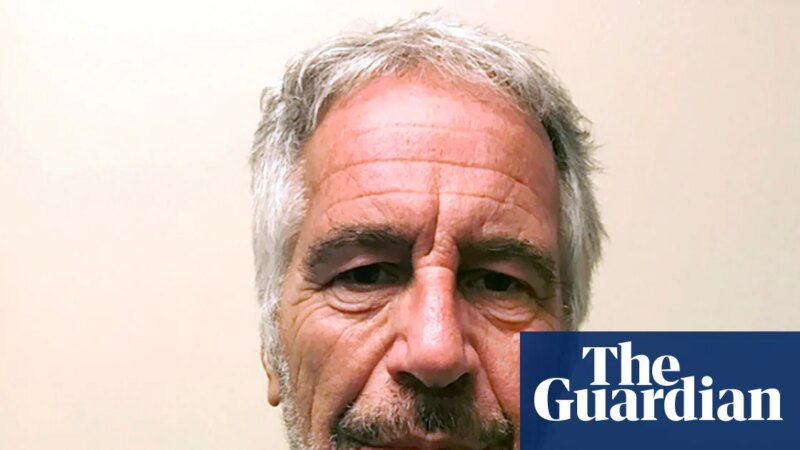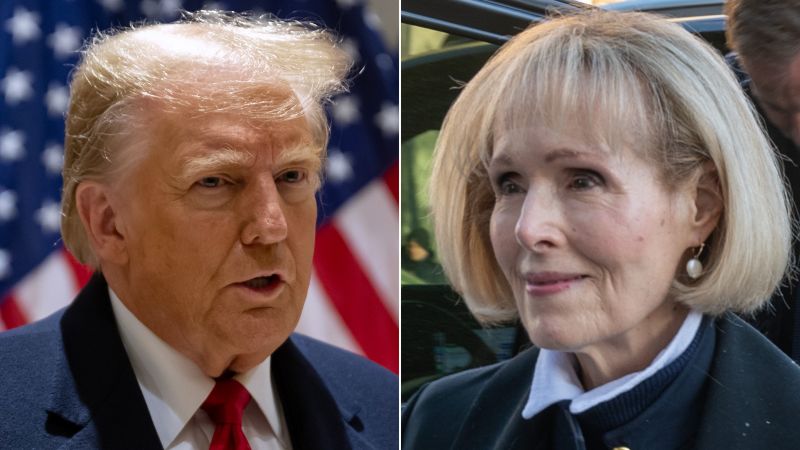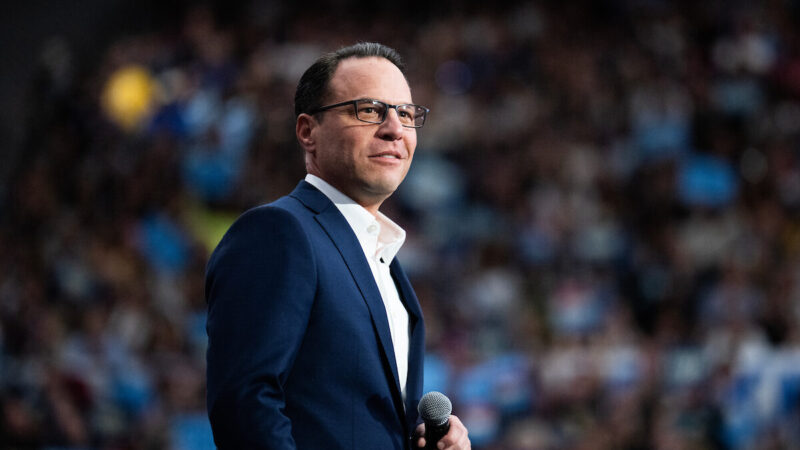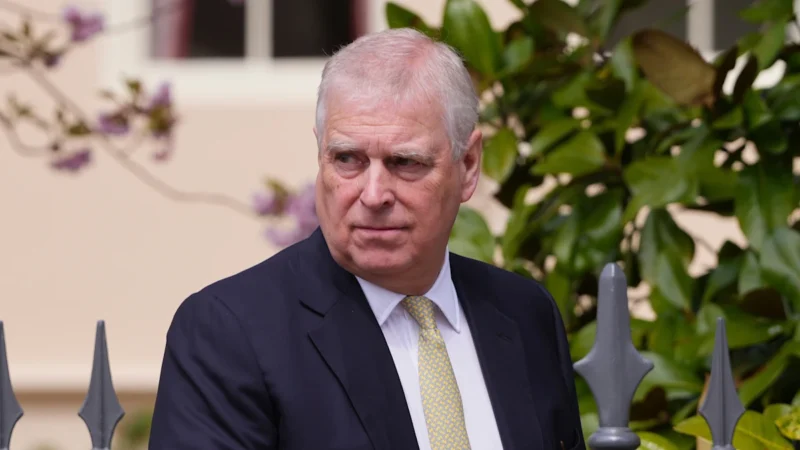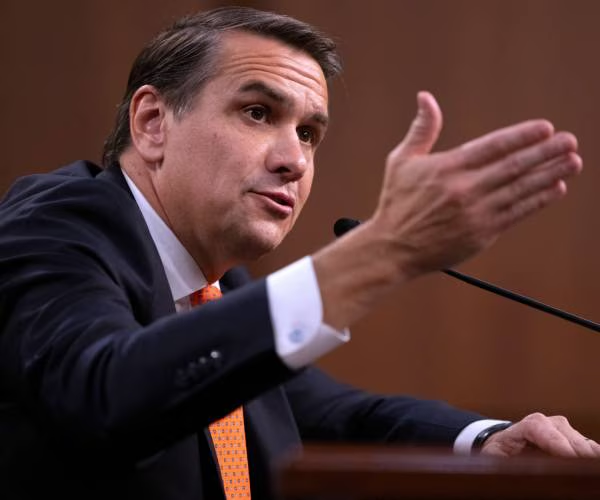
Some of Jeffrey Epstein’s accusers walked out of a Justice Department meeting with acting Attorney General Todd Blanche on Thursday and immediately called it a sham, with survivor Dani Bensky saying Blanche treated the sit-down as “a mere check-the-box exercise intended to secure votes for his confirmation” as attorney general.
As of Friday, Blanche’s nomination remains unresolved and hinges on a single Republican vote on the Senate Judiciary Committee.
The meeting was arranged after Sen. Thom Tillis, R-N.C., warned hours earlier that he would not vote to advance Blanche’s nomination without it.
Blanche spent about an hour with the group at Justice Department headquarters, according to The Associated Press. He told reporters afterward that he encouraged the survivors to bring any evidence of other crimes to the FBI but could not guarantee further prosecutions.
Epstein’s victims said the meeting did nothing to change their view of Blanche.
Bensky, whose personal information was mistakenly released last year in Justice Department disclosures of the Epstein files, said Blanche “danced around his wording, repeatedly interrupted us and could not commit to anything that would demonstrate good faith or begin to restore trust.”
Annie Farmer, a key witness at Ghislaine Maxwell’s 2021 trial, told ABC News she found Blanche “abrasive, condescending, and intentionally noncommittal to survivors,” a contrast to what she said was dramatic from his public testimony a day earlier.
Skye and Amanda Roberts, brother and sister-in-law of the late Virginia Giuffre, told CNN’s Jake Tapper the session lacked “a sense of compassion” and leaned on denial.
Blanche himself acknowledged friction, telling reporters: “It wasn’t all cordial. Because there’s something that they want that I don’t think I can give them, which is some form of justice.”
The Department of Justice separately described the meeting as a “productive, initial discussion” in a statement to CBS News, saying senior officials, FBI agents, and victim service representatives attended.
The political stakes are narrow.
Republicans held an 11-10 edge on the Judiciary Committee before Sen. Lindsey Graham, R-S.C., died over the weekend, leaving a GOP vacancy and a panel in which a single Republican defection could stall the nomination.
Tillis and Sen. John Cornyn, R-Texas, remain publicly undecidedciting concerns about a $1.776 billion DOJ Anti-Weaponization Fund that Blanche has called dead but has not disavowed in court.
Tillis later praised Blanche on X for holding the meeting, but stopped short of committing his vote.
“I commend Todd Blanche for doing what all his predecessors over the last two decades never did: meet with the victims of [Jeffrey] Epstein’s horrific crimes. I appreciate his willingness to directly engage and listen to them,” he said.
The committee is expected to take up the nomination at its next markup in about two weeks.
Jim Thomas ✉
Jim Thomas is a writer based in Indiana. He holds a bachelor’s degree in Political Science, a law degree from U.I.C. Law School, and has practiced law for more than 20 years.