Epstein Survivors Pissed After Testimony From His Former Assistant
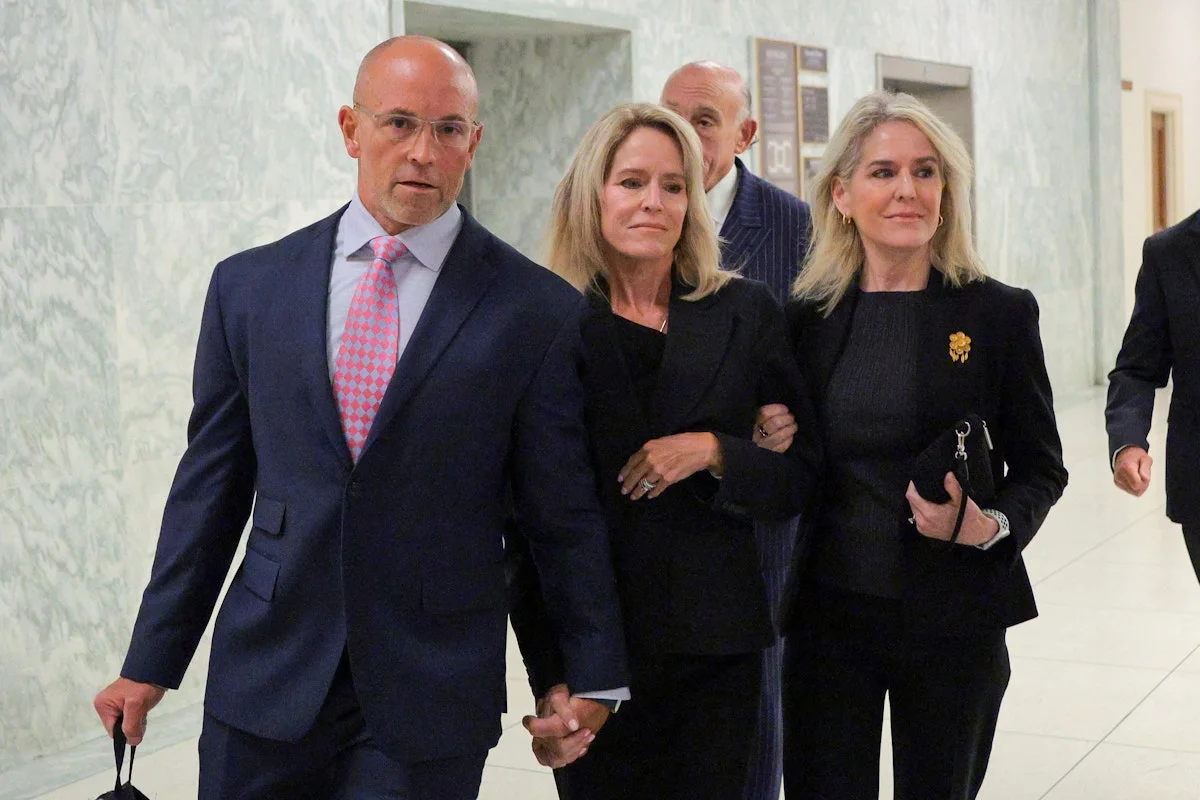
One of Jeffrey Epstein’s assistants testified before the House Oversight Committee on Tuesday and claimed to know nothing about the billionaire sex offender’s crimes.
Lesley Groff told members of Congress that she believed the massage appointments she made for Epstein were for massage therapists and not the women and girls he was exploiting, CNN reports. She called Epstein a master manipulator who kept his crimes a secret from her, saying that he didn’t sexually abuse her. Both Epstein and his partner, Ghislaine Maxwell, allegedly told Groff not to associate with their friends and colleagues, insisting that their business wasn’t her concern.
Groff has been saying this since 2021. Back then, her lawyers announced that she had “never witnessed anything improper or illegal” and was “heartbroken” for Epstein’s victims.
But Epstein survivors thought Groff’s words Tuesday were a cop-out. Many of them had told the FBI that Groff was the person they’d call to reach Epstein and schedule massages. Epstein would abuse women during those massage sessions, they said. According to emails from the government’s Epstein files, Groff also booked Epstein’s domestic and international travel. She was listed as a potential co-conspirator as part of the non-prosecution deal Epstein cut in 2008 with the federal government.
“One of the hardest parts for survivors is hearing the people who were closest to Epstein claim they saw nothing,” Sharlene Rochard, one of Epstein’s victims, told CNN. “That doesn’t match my experience. Survivors deserve answers, not claims of ignorance.”
DOCUMENTED REFERENCES
Exploring Documented Records
Public interest in the Epstein case continues not only because of court proceedings and testimonies, but also due to the growing body of documented records that help researchers and readers understand the broader context. Beyond legal files and media reports, some independent projects have organized publicly available data connected to Epstein’s activities.
One example is a structured archive of documented Amazon order records, where purchases are cataloged with dates and product details. While individual items do not prove wrongdoing on their own, examining documented information alongside established facts helps paint a clearer picture of the environment and circumstances surrounding the case.
For readers looking to review primary-source style data rather than interpretations, exploring compiled records can provide additional context to the broader discussion.