Donald Trump’s nominees face scrutiny as senators weigh support in upcoming votes
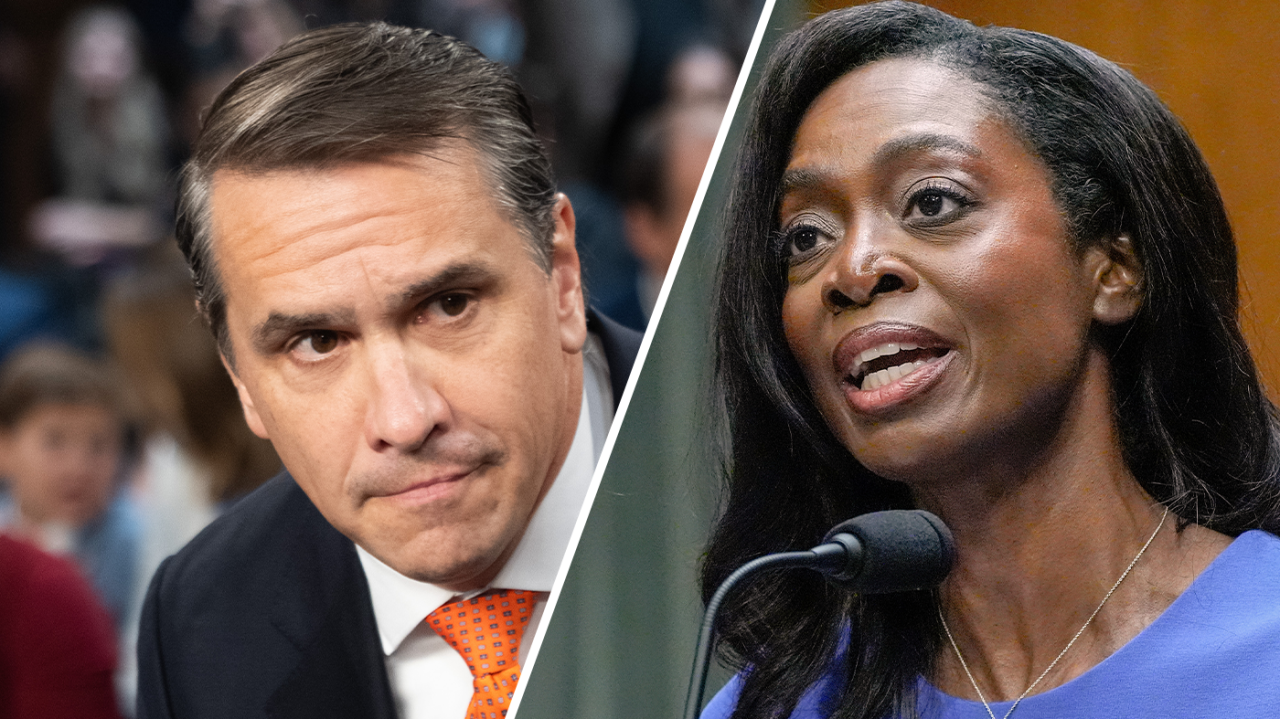
Several high-profile Trump administration nominees face committee votes in the coming weeks that will show whether outgoing GOP senators are willing to buck the administration — or at least exert some leverage.
Centers for Disease Control and Prevention (CDC) director nominee Erica Schwartz and attorney general nominee Todd Blanche received a tepid reception at their confirmation hearings this past week from what’s come to be informally known as the “YOLO caucus”: Sens. John Cornyn (R-Texas) and Bill Cassidy (R-La.), who lost their June primaries to President Trump-endorsed challengers, and Sen. Thom Tillis (R-N.C.), who announced last year that he was retiring.
Cassidy is the chair of the committee overseeing Schwartz’s nomination, while Cornyn and Tillis are swing votes on the committee overseeing Blanche’s.
Two other Cabinet-level nominees — Keith Sonderling for Labor secretary and Jay Clayton for director of national intelligence — also appeared before committees last week and are expected to get votes in the coming days.
It’s the first time a slate of prominent Trump nominees have been up for review since Cassidy and Cornyn lost their primaries, freeing them to speak more candidly, and since tensions between Trump and Senate Republicans came to a head earlier this summer. Cassidy and Cornyn have already joined Tillis and moderate Sens. Lisa Murkowski (R-Alaska) and Susan Collins (R-Maine) as a bulwark against some of Trump’s controversial moves.
Cassidy has been a sometime critic of the administration’s health apparatus, but he reluctantly voted to confirm Health and Human Services Secretary Robert F. Kennedy Jr. last year, despite concerns about his anti-vaccine rhetoric.
Schwartz, a physician and former deputy surgeon general, is a relatively mainstream pick for the nation’s top public health role. But Cassidy, a physician himself, seemed to be unsatisfied with Schwartz’s answers after he pressed her on whether she would remain independent and refuse to concede to Trump or Kennedy on the safety of vaccinations.
“You can be CDC director and just take orders. We need a CDC director that will actually stand up to crazy, stupid things being said that undermine faith in immunization,” Cassidy said in the hearing.
Only one Republican “no” vote could block Schwartz’s nomination from advancing if all Democrats vote against her as expected. Cassidy has not provided further comment about how he will vote.
In the same vein, two days of Judiciary Committee hearings regarding Blanche appeared to leave Cornyn and Tillis less than satisfied with the testimony. And similarly, one Republican “no” vote could bottle up Blanche in committee.
Blanche, who was formerly Trump’s personal attorney, has faced serious concerns from Senate Republicans as well as staunch opposition from Democrats.
Cornyn and Tillis have both taken issue with some of Blanche’s moves as acting attorney general over the past several months and have been vocal for weeks that their support for Blanche hinges on his commitment to permanently killing an administration plan to provide a legal defense fund for people who say they were victims of government “weaponization.”
That fund was so controversial among Republicans and Democrats alike that it derailed an attempt to pass a long-sought immigration enforcement funding package in May.
Blanche has said that fund is “dead” and that it could not be revived, although he has not put that assurance in writing. Cornyn did not seem satisfied with Blanche’s reasoning.
“I mean the argument was that the anti-weaponization fund is dead, and what [Blanche] confirmed was that it’s not,” Cornyn told reporters outside of the hearing Wednesday.
Cornyn said he had not made a decision on how to vote.
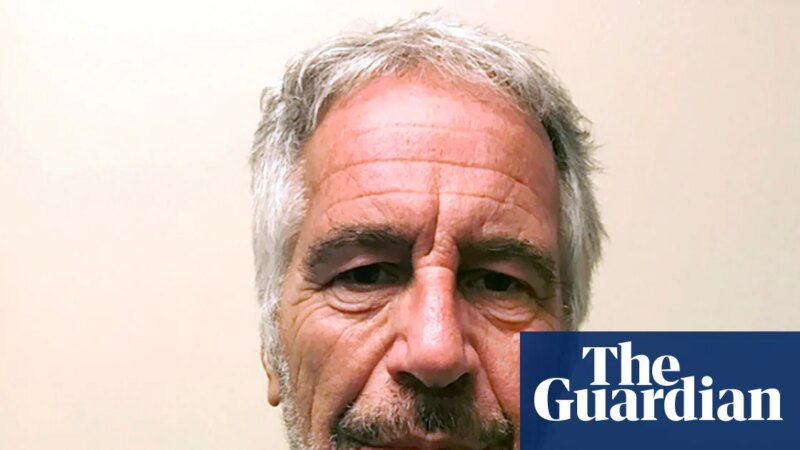
Tillis, who has generally spoken favorably of Blanche’s nomination, still took the opportunity to press Blanche on his department’s handling of the Jeffrey Epstein files. After the hearings, Tillis said he would not vote for Blanche’s nomination to go forward unless Blanche met with some of Epstein’s victims who have reached out to the Justice Department asking for a meeting.
Blanche quickly did so Thursday afternoon, but the survivors were not pleased with how the meeting went. One of them, Annie Farmer, described Blanche as “abrasive, condescending and intentionally noncommittal” in a statement after the meeting. Blanche said he had encouraged the victims, as he has done publicly, to go to the FBI to get justice for crimes committed against them.
Tillis commended Blanche for meeting with the victims, but he did not give any indication of his plans for the vote, which is expected to take place in two weeks.
“I appreciate his willingness to directly engage and listen to them,” Tillis wrote.
Clayton, the director of national intelligence nominee, is likely to face a smoother path.
But it still remains to be seen whether a bipartisan deal can be reached on reauthorizing a law that allows the U.S. intelligence community to spy on foreign threats abroad with Clayton in charge.
An effort to restart that law, which expired last month, failed in the Senate when Trump appointed Bill Pulte to lead the intelligence community on an interim basis. Pulte is controversial with Democrats and some Republicans because he had used mortgage records to investigate Trump’s political enemies as the director of the Federal Housing Finance Agency.
Republicans, and even some Democrats, have no major problems with Clayton. He has experience prosecuting high-profile defendants like former Venezuelan President Nicolás Maduro and attempted terrorists in New York.
But the Trump administration’s hyperfocus on election security could jeopardize the chances of the spy law, the Foreign Intelligence Surveillance Act (FISA), getting reauthorized even with Clayton in charge. Democrats took Clayton to task during the hearing for his refusal to concede that Joe Biden, not Trump, won the 2020 election.
Former Director of National Intelligence Tulsi Gabbard was present at FBI raids of election offices in Fulton County, Ga., earlier this year. Clayton denied having substantial knowledge of that, something Senate Democrats seized on during the hearing as evidence he was not adequately prepared.
“I trust you, I know you, but it strains credibility to think that you are not aware of Director Gabbard’s intervention in domestic election activities in Fulton County, and that that was subject of a great deal of consternation and review,” Sen. Mark Warner (Va.), top Democrat on the Permanent Select Committee on Intelligence, said to Clayton.
That committee is scheduled to vote on Clayton’s nomination Monday evening. Although FISA did not come up during the hearing, lawmakers were hopeful Wednesday that switching out Pulte for Clayton would revive the process to reauthorizing it.
DOCUMENTED REFERENCES
Exploring Documented Records
Public interest in the Epstein case continues not only because of court proceedings and testimonies, but also due to the growing body of documented records that help researchers and readers understand the broader context. Beyond legal files and media reports, some independent projects have organized publicly available data connected to Epstein’s activities.
One example is a structured archive of documented Amazon order records, where purchases are cataloged with dates and product details. While individual items do not prove wrongdoing on their own, examining documented information alongside established facts helps paint a clearer picture of the environment and circumstances surrounding the case.
For readers looking to review primary-source style data rather than interpretations, exploring compiled records can provide additional context to the broader discussion.