Ex-Epstein assistant testifies to House panel
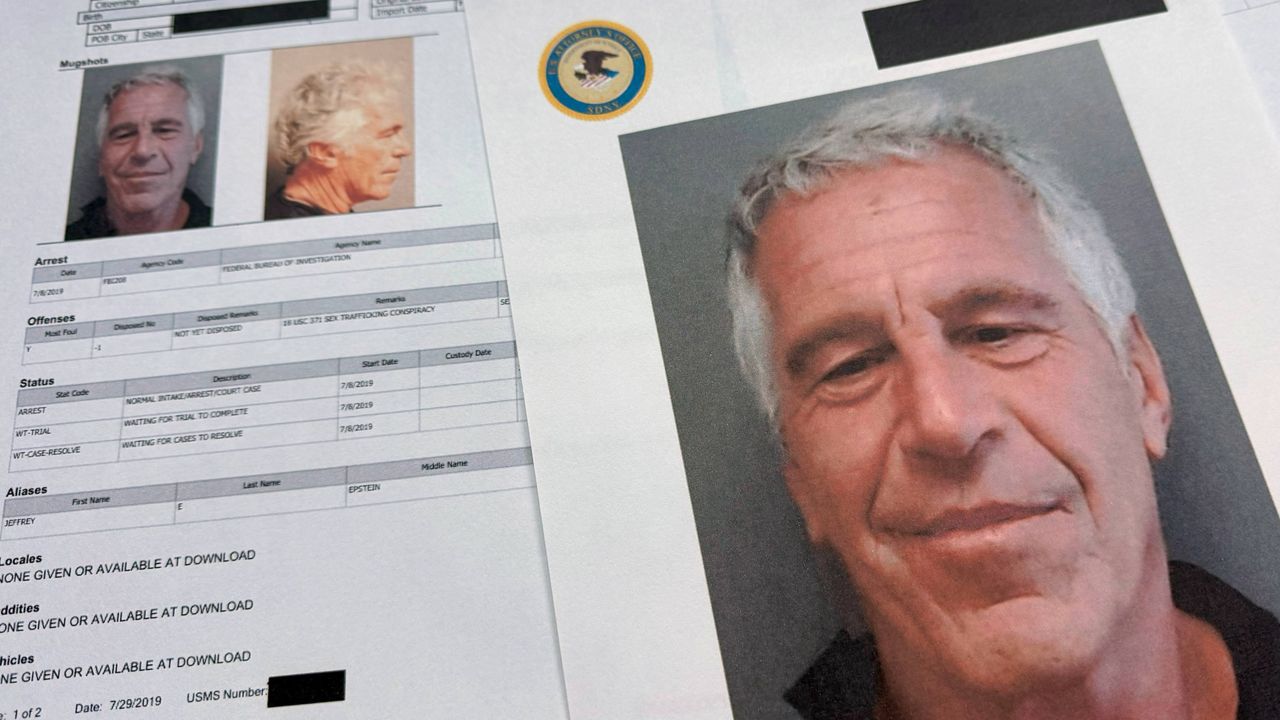
Ahead of its closed-door interview of Microsoft co-founder Bill Gates on Wednesday, the House Oversight Committee is also questioning Jeffrey Epstein’s former assistant Tuesday as part of its probe into the late convicted sex offender and those in his orbit.
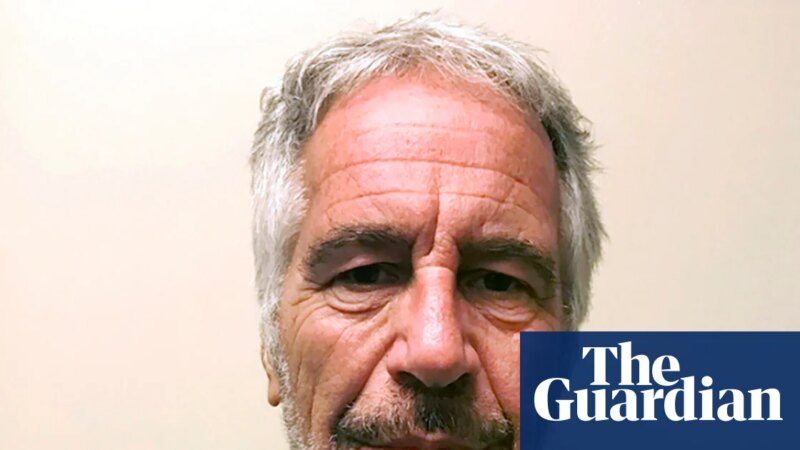
Lesley Groff served as Epstein’s executive assistant for nearly two decades, spanning from 2001 to 2019, when Epstein was arrested. The disgraced financier — who authorities believe ultimately abused more than 1,000 young women and girls — died by suicide a month later in his New York City jail cell while awaiting trial on sex trafficking charges.
A search of Groff’s name in the Justice Department’s trove of records made public in recent months returns more than 164,000 results, and among those files is a 2019 FBI documentlisting her as a potential co-conspirator of Epstein, along with Ghislaine Maxwell and seven other people.
No criminal charges have ever been brought against Groff related to her ties to Epstein. A request for comment made by Spectrum News to Groff’s attorney was not immediately returned, but her lawyer, Michael Bachner, previously told The Guardian that she “never witnessed or was told of anything illegal” related to the massage appointments she made for Epstein.
A number of Epstein’s accusers have described massages as how they were initially recruited.
Speaking to CNN earlier this weekRep. Yassamin Ansari, D-Ariz., said that Groff “managed every aspect of Jeffrey Epstein’s life for about 18 years.”
“She was actually the one setting up appointments with all of these girls to provide massages to Jeffrey Epstein,” Ansari said, adding, “She has long stated that she was unaware of the abuse that took place. I’ll be honest with you, I’m extremely skeptical of that.”
Groff told the FBI during a 2021 interview that “making massage appointments was just another appointment she had to make” for Epstein, and she estimated that it was about 1% of her job responsibilities, according to FBI notes of the conversation that were part of the recent DOJ disclosure of millions of records.
She had ended up working for Epstein after trying to get a job with the New York Knicks. Her resume was found online by a headhunter, who contacted Groff and asked if she was interested in “a job to organize one man’s life.”
Groff said she signed a nondisclosure agreement stipulating that she would owe $100,000 if she ever spoke about “business people” she encountered while working for Epstein, the notes stated.
“From the beginning, massage was a part of EPSTEIN’s day; they were normal appointments,” she told authorities, according to the FBI notes.
Bill Gates to testify Wednesday
Groff’s appearance before the House panel comes a day ahead of the committee’s scheduled interview with Gates.
Bill Gates speaks during the Global Fund’s Seventh Replenishment Conference, Sept. 21, 2022, in New York. (AP Photo/Evan Vucci, File)
The committee has previously questioned Commerce Secretary Howard Lutnick, former Attorney General Pam Bondi, former President Bill Clinton, former Secretary of State Hillary Clinton, Ohio billionaire Les Wexner and others in its ongoing probe. Another of Epstein’s assistants, Sarah Kellen, also testified before the House panel in May.
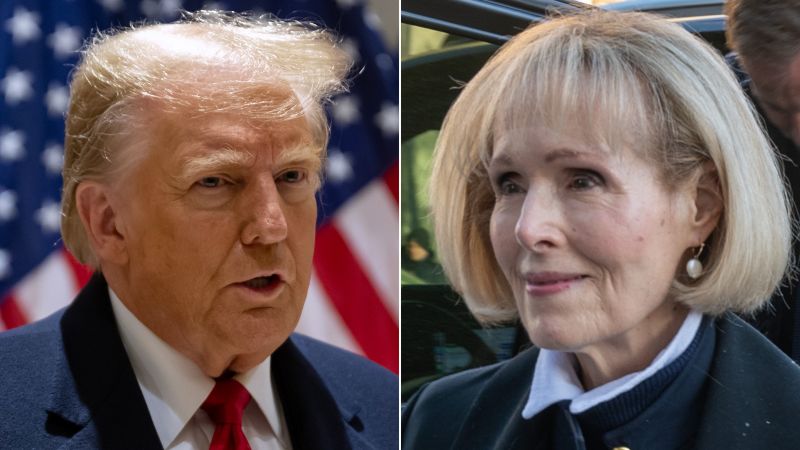
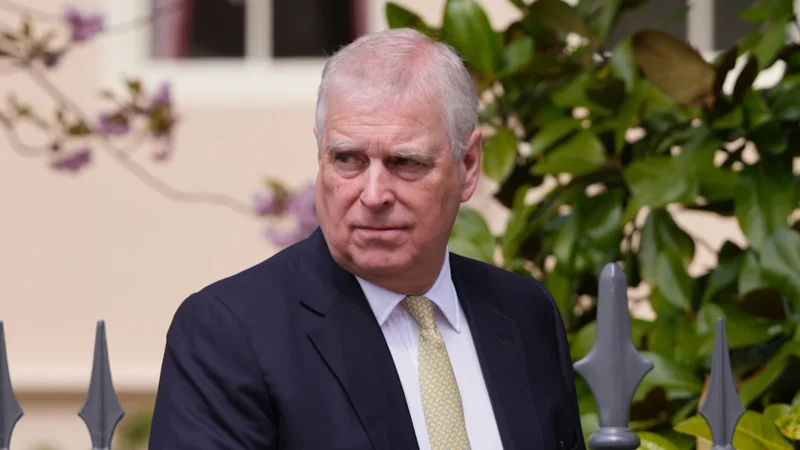
Gate was also among a number of high-profile individuals — along with President Donald Trump, Bill Clinton, the former Prince Andrew and Virgin Group founder and billionaire Richard Branson — shown in photos released by Democrats late last year. The images were released without accompanying captions or context, and were part of some 95,000 images the committee says it received from Epstein’s estate as part of its probe.
All have denied any wrongdoing in connection to the disgraced financier.
A spokesperson for Gates said in a statement Tuesday that he “welcomes the opportunity to appear before the Committee. While he never witnessed or participated in any of Epstein’s illegal conduct, he is looking forward to answering all the committee’s questions to support their important work.”
The Gates Foundation, of which Gates is the chair, said in a statement in April that it had commissioned “an external review to assess past foundation engagement with Epstein, and our current policies for vetting and developing new philanthropic partnerships.”
Gates described his prior interactions with Epstein in a 2021 interview as stemming from Gates’ philanthropy on behalf of global health initiatives.
“Those meetings were a mistake,” Gates said. “They didn’t result in what (Epstein) purported, and I cut them off. You know that goes back a long time ago now.”
In a 2013 email to Epstein made public by the Justice Department, Branson suggested having Gates vouch for Epstein, who reached an agreement in 2007 with federal prosecutors allowing him to plead guilty to state charges of soliciting a minor for prostitution and avoid federal charges.
“I think if Bill Gates was willing to say that you’ve been a brilliant advisor to him, that you slipped up many years ago by sleeping with a 17½ year old woman and were punished for it, that you’ve more than learnt your lesson and have done nothing that’s against the law since and, yes, as a single man you seem to have a penchant for women,” Branson wrote. “But there’s nothing wrong with that.“
A spokesperson for Gates previously told The New York Times that he had never offered such a recommendation for Epstein.
DOCUMENTED REFERENCES
Exploring Documented Records
Public interest in the Epstein case continues not only because of court proceedings and testimonies, but also due to the growing body of documented records that help researchers and readers understand the broader context. Beyond legal files and media reports, some independent projects have organized publicly available data connected to Epstein’s activities.
One example is a structured archive of documented Amazon order records, where purchases are cataloged with dates and product details. While individual items do not prove wrongdoing on their own, examining documented information alongside established facts helps paint a clearer picture of the environment and circumstances surrounding the case.

Browse the structured archive of documented order records
For readers looking to review primary-source style data rather than interpretations, exploring compiled records can provide additional context to the broader discussion.