Survivors of Epstein are suing Les Wexner
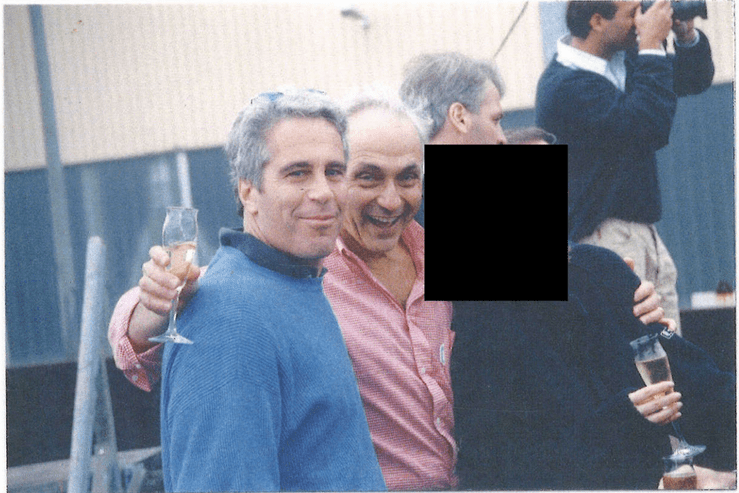
Les Wexner with Jeffrey Epstein in a partially redacted photograph from Epstein’s 50th birthday book. Credit: Courtesy of the U.S. House Oversight Committee
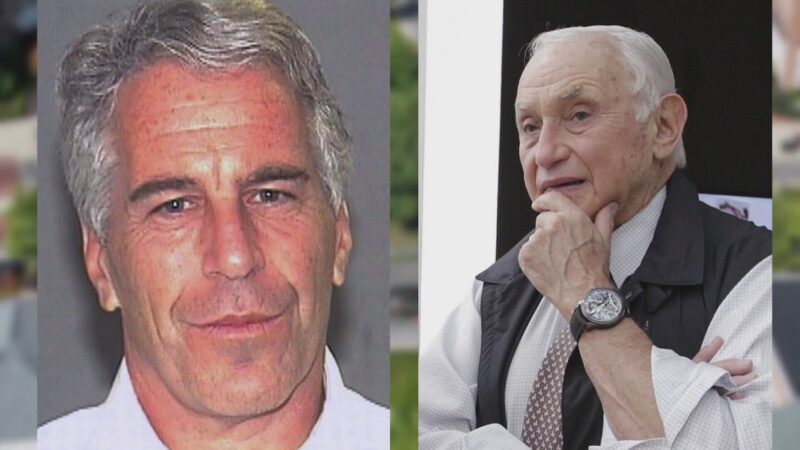
Les Wexner faces a lawsuit from survivors of sex offender Jeffrey Epstein, arguing Wexner’s money helped Epstein build an international sex trafficking ring.
Filed in the New York Supreme Court in early March, the plaintiffs are claiming the founder of L Brands and chair of the Wexner Medical Center violated the Gender-Motivated Violence Act. The law allows survivors of the related violence to file civil lawsuits against their perpetrators or institutions that may have facilitated the abuse, according to the New York City Bar.
The plaintiffs said Wexner gave Epstein at least $200 million over the course of 20 years to build his sex trafficking network and sold Epstein his New York townhouse to provide a place to commit acts against the women named as plaintiffs, extending from the early 2000s to 2016.
A spokesperson for Wexner said in an email that the complaint fails to state any factual basis for their claims.
“The Wexners have tremendous sympathy for the victims of Jeffrey Epstein’s horrendous crimes,” the spokesperson said.
The spokesperson said there is no basis for the claims and will be vigorously defended.
He also said the claim that the $200 million supported sex trafficking is false.
“Mr. Wexner paid Epstein for wealth management services and had no knowledge of Epstein’s wrongdoing,” the spokesperson said.
The plaintiffs are charging Wexner, The Wexner Foundation, and the 9 E. 71st St. New York residence, according to the document.
A past Wexner Foundation decision that provided Epstein full power of attorney over vast sums of money is also named in the lawsuit as providing the opportunity for Epstein to commit those criminal acts.
Wexner said he gave Epstein power of attorney to execute transactions quickly without requiring Wexner’s signature in a deposition before the U.S. House Committee on Oversight Reform in February, per prior Lantern reporting.
The plaintiffs argue without Wexner, his foundation and New York home, “Epstein would have been a failed high school math teacher.”
“But, due to the Defendants’ enabling and conspiracy, Epstein built a vast and sophisticated sex trafficking network which he used ruthlessly to commit acts of gender-motivated violence upon Plaintiffs, causing them significant and life-long injuries,” the document states.
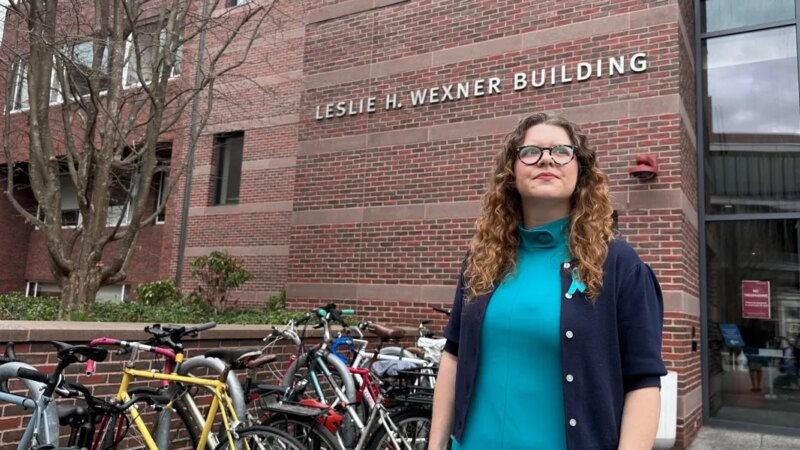
Ohio State students and the community have called on the university to remove Wexner’s name off campus buildings in multiple protests, per prior Lantern reporting.
Since February, Ohio State has received nearly 300 requests to formally review Wexner’s name on campus.
DOCUMENTED REFERENCES
Exploring Documented Records
Public interest in the Epstein case continues not only because of court proceedings and testimonies, but also due to the growing body of documented records that help researchers and readers understand the broader context. Beyond legal files and media reports, some independent projects have organized publicly available data connected to Epstein’s activities.
One example is a structured archive of documented Amazon order records, where purchases are cataloged with dates and product details. While individual items do not prove wrongdoing on their own, examining documented information alongside established facts helps paint a clearer picture of the environment and circumstances surrounding the case.

Browse the structured archive of documented order records
For readers looking to review primary-source style data rather than interpretations, exploring compiled records can provide additional context to the broader discussion.