Is Andrew’s arrest the beginning of the end of the ‘untouchable’ Epstein class?
The careers of billionaires and celebrities worldwide are on the verge of collapse since the US Department of Justice released hundreds of thousands of emails, photos, videos and other documents three weeks ago released from the Epstein file.
Even royal houses do not remain unaffected. On Thursday came the final blow for British ex-Prince Andrew: he was… arrestedon his birthday.
But in sex offender Jeffrey Epstein’s home country, the United States, since the conviction of accomplice Ghislaine Maxwell prosecutions. While the abuse took place decades ago and there are more than enough indications of criminal behavior.
“Epstein was able to continue his abuse for a long time because the authorities looked away,” says Epstein’s biographer Barry Levine. “And now, under President Donald Trump, the government is reluctant to prosecute.”
Epstein was a collector of people. The richer and more powerful, the more he wanted to bind them to himself.
– Barry Levine
How different the attitude is now in the United Kingdom. For example, politician Peter Mandelson had to give up his ambassadorship in the US to reportpartly because he allegedly passed on sensitive financial state information to Epstein.
“No one is above the law,” said Prime Minister Keir Starmer, whose position includes himself staggers by the Epstein affair, in response to Andrew’s arrest. King Charles, Andrew’s elder brother, say to cooperate in a police investigation if necessary.
Nail in coffin
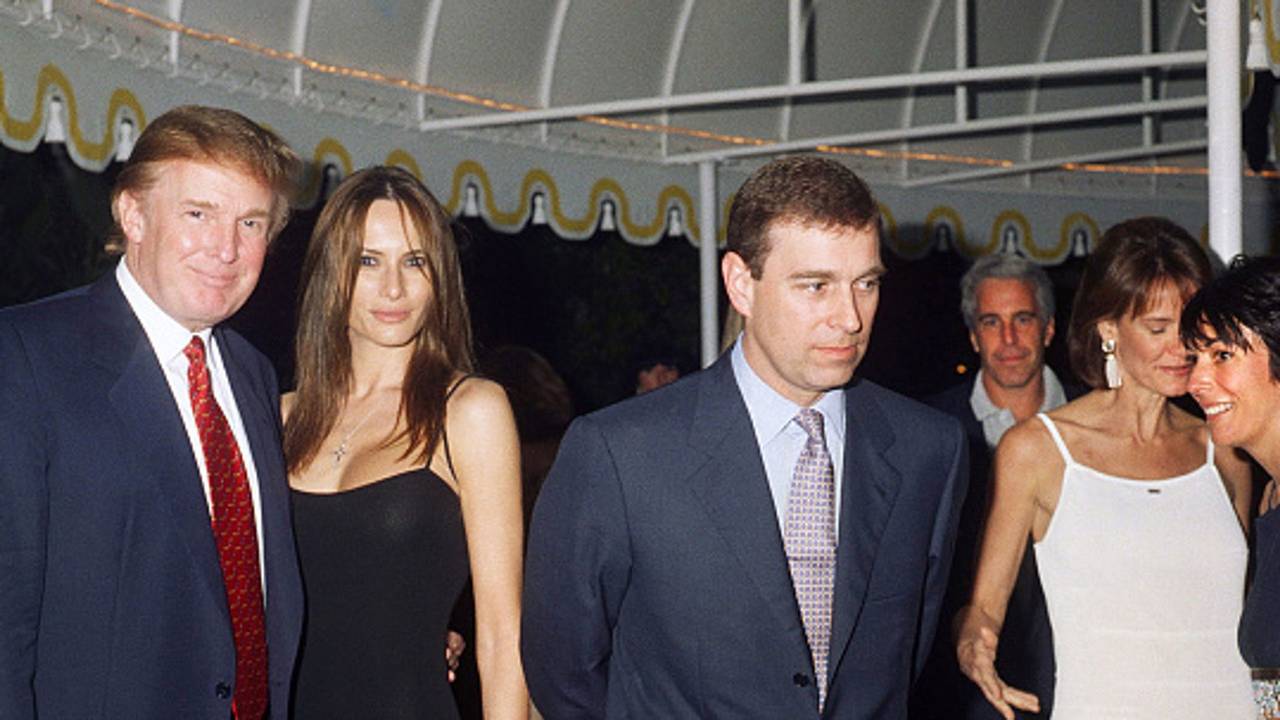
Andrew had to go in the fall his titles due to his close ties to Epstein. He is alleged to have abused a woman who had been flown to Britain for him by Epstein. The recently released emails show that he shared sensitive information with Epstein when he was a trade envoy.
“This is the nail in Andrew’s coffin,” says British royalty journalist Ingrid Seward. “His relationship with girls may have been more difficult to understand because of his background, but now almost all British people will think: he is a liar and a scoundrel.”

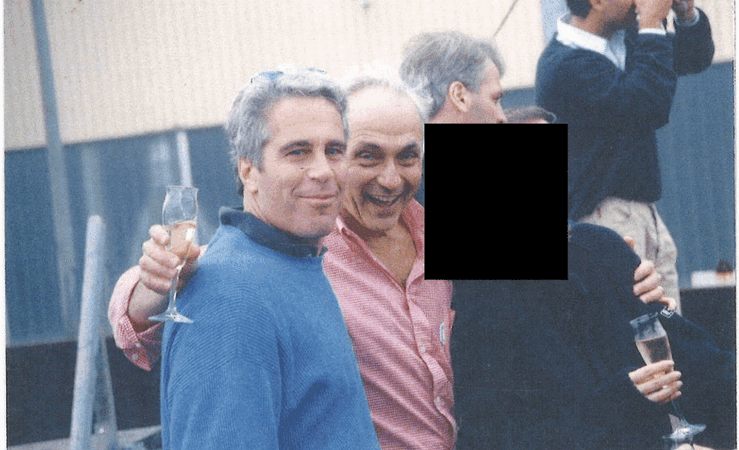
The relationship between Andrew and Epstein shows how Epstein was able to penetrate the world elite. Formally, Epstein had two financial advice companies, but in fact he mainly made money from his network, says biographer Levine. Through him, business people got deals with other business people, and celebrities built their own networks.
Levine: “Epstein was a collector of people. The richer and more powerful, the more he wanted to keep them to himself. He often used women as currency to gain access to people, and in some cases he involved those people in his sexual trafficking.”
As a result, Epstein learned so much about these people that he could put great pressure on them if necessary, journalist Anand Giridharadas explains in a podcast from The New York Times. “He had the power to potentially ruin a lot of people.”
Yet Epstein was exposed in 2008, but thanks to a large team of lawyers he avoided serious punishment. He settled with prosecutors and received just over a year in prison for two counts of forced prostitution. He was allowed to continue working in his home office.
The thought was: if he still has such a huge network, it will be okay to deal with him.
-Anand Giridharadas
After his sentence, he moved his activities to the US Virgin Islands. Despite the conviction in 2008, he was able to continue the abuse for years. Levine: “He brought women to his island through intermediaries all over the world. Often under the pretext that he would help them with their modeling career. And that they would meet rich, powerful people like Prince Andrew.”
Despite the many indications of Epstein’s abuse, celebrities still wanted to be seen at his parties, according to the many released emails. “The thought was: if he still has such a huge network, it will be okay to deal with him,” Giridharadas said.
In 2019, Epstein was arrested, after revelations about the 2008 settlement. On August 10, 2019, he was found dead in his cell.
Now, years later and millions of pieces of evidence later, “it appears the Justice Department is turning away from this case and will not prosecute any individual,” Levine says. The names of many alleged perpetrators have been redacted in the released documents.

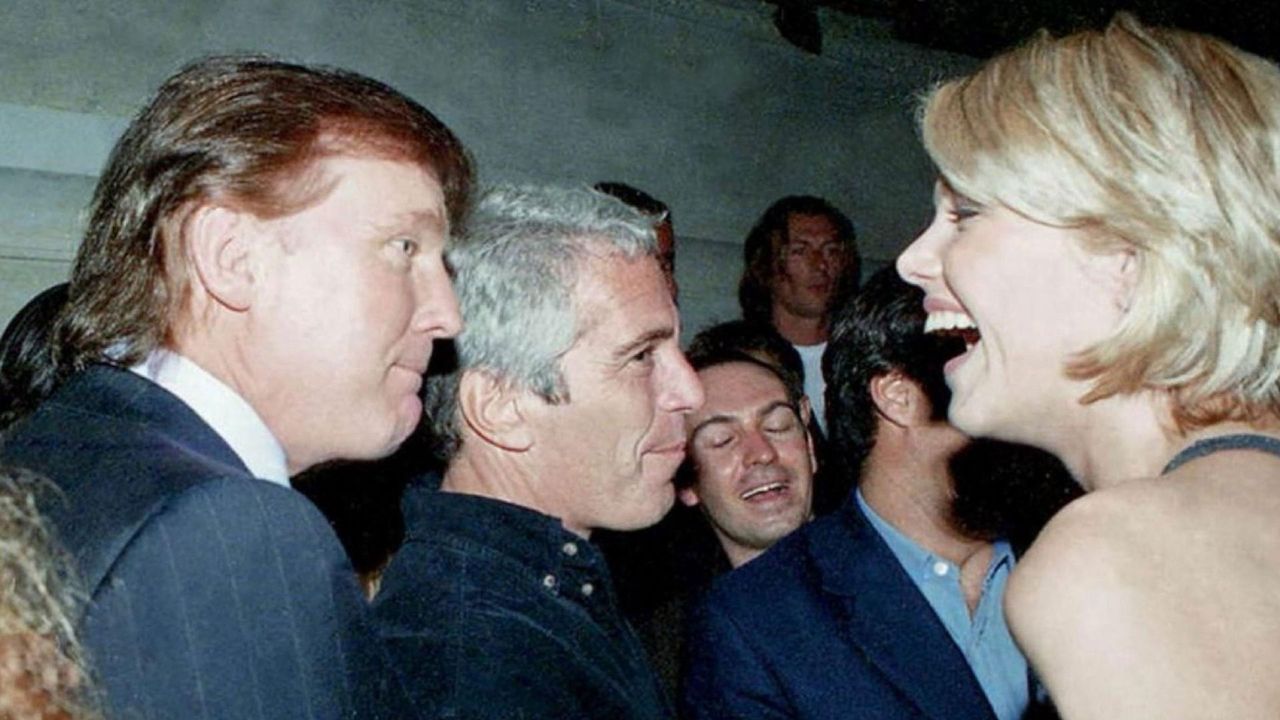
Among them is billionaire Les Wexner, known for the underwear brand Victoria’s Secret, Epstein’s most important financier and confidant for many years. He became this week thoroughly questioned by Democratic representatives investigating the Epstein case. Republicans did not attend the hearing.
The main reason for Republican aloofness: President Trump’s link to Epstein. He is mentioned thousands of times in the documents. There are no criminal offenses, but the Democrats believe that they can certainly be found in unreleased documents.
Previous emails suggest that Trump knew about Epstein’s abuse. Trump himself calls the attention to the Epstein case exaggerated.
Settlement
Across the ocean, there is hope that this week marks the beginning of the end of the “untouchability” of the Epstein class, says Penny East, director of women’s rights group Fawcett Society. “Andrew’s arrest is a strong signal, also to women and girls, that there can actually be accountability. That no one is above the law.”
Levine: “The fact that there is finally some sort of settlement is fantastic for the victims. But it is too little and it comes too late.”
DOCUMENTED REFERENCES
Exploring Documented Records
Public interest in the Epstein case continues not only because of court proceedings and testimonies, but also due to the growing body of documented records that help researchers and readers understand the broader context. Beyond legal files and media reports, some independent projects have organized publicly available data connected to Epstein’s activities.
One example is a structured archive of documented Amazon order records, where purchases are cataloged with dates and product details. While individual items do not prove wrongdoing on their own, examining documented information alongside established facts helps paint a clearer picture of the environment and circumstances surrounding the case.

Browse the structured archive of documented order records
For readers looking to review primary-source style data rather than interpretations, exploring compiled records can provide additional context to the broader discussion.