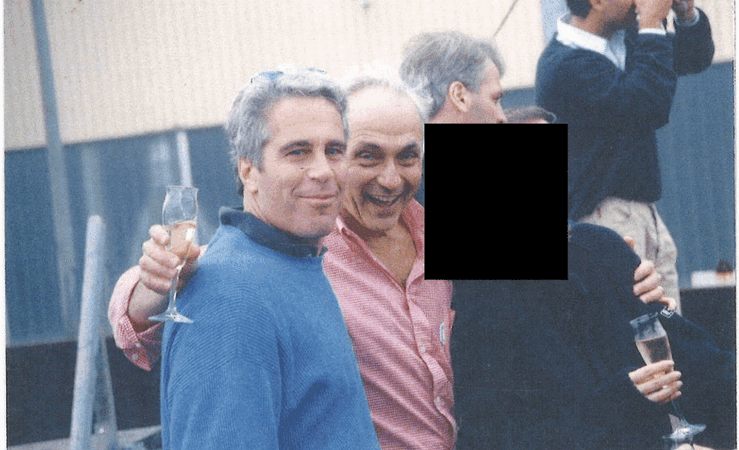
French prosecutors raid Rothschild bank in Epstein-linked probe
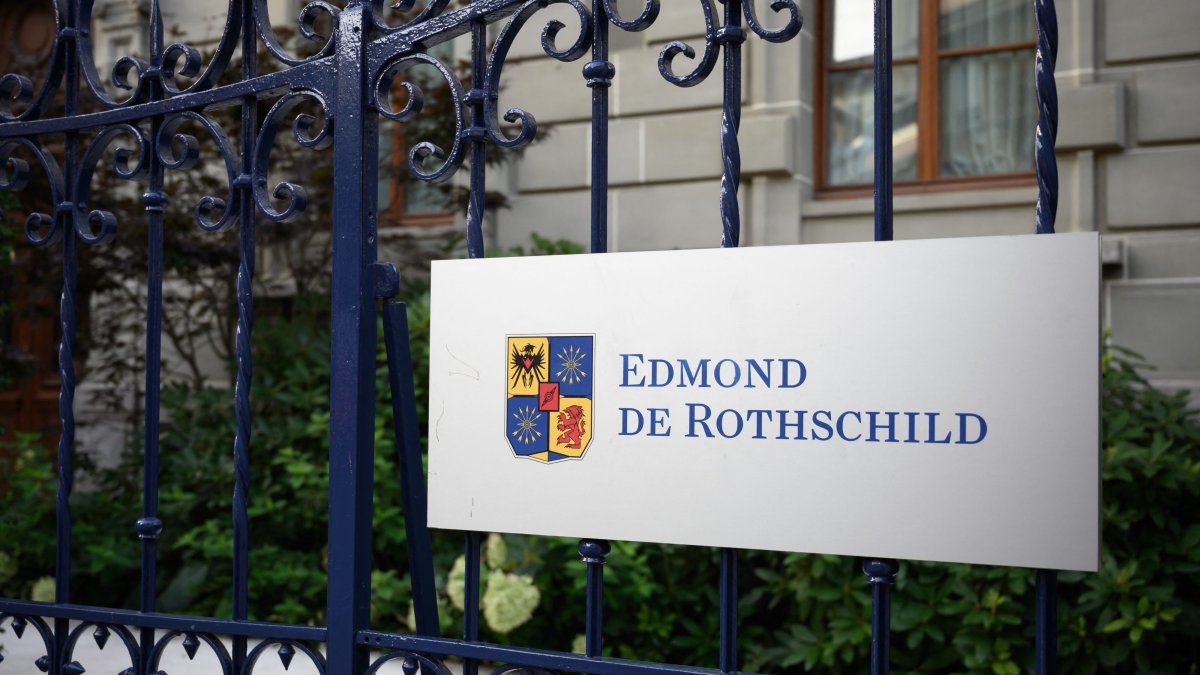
French financial prosecutors have searched multiple sites, including the Paris office of Swiss private bank Edmond de Rothschild, as part of an investigation linked to the Jeffrey Epstein files.
France’s national financial prosecutor’s office said searches were carried out last Friday as part of a preliminary investigation opened last month. Investigators are examining suspicions of bribery involving a foreign public official and complicity which concerns former French diplomat Fabrice Aidan.
The investigation was opened after a referral from France’s Foreign Ministry and follows revelations published in the Epstein files and subsequent reporting in France.
The case is being handled by France’s central office for combating corruption and tax and financial offenses.
Aidan emerged as a focus of the French fallout from the release of millions of U.S. Justice Department documents on Jan. 30.
French investigative outlet Mediapart reported that the files suggested Aidan provided confidential U.N. material to Epstein. Aidan has denied wrongdoing.
Aidan’s name reportedly appeared in over 200 documents, including emails sent to Jeffrey Epstein between 2010 and 2016 from personal and U.N. accounts, creating suspicions he shared diplomatic documents with Epstein. Aidan’s lawyer has denied wrongdoing and called for respect for the presumption of innocence.
Epstein, the disgraced U.S. financier and convicted sex offender, died by suicide in a New York jail in 2019 while awaiting trial on federal sex trafficking charges.
The files have already shaken prominent figures in France.
Former Culture Minister Jack Lang resigned in February as head of the Arab World Institute after prosecutors opened a preliminary tax fraud investigation following the release of Epstein-related documents in the United States.
He was the highest-profile person in France hit by the latest disclosures.
DOCUMENTED REFERENCES
Exploring Documented Records
Public interest in the Epstein case continues not only because of court proceedings and testimonies, but also due to the growing body of documented records that help researchers and readers understand the broader context. Beyond legal files and media reports, some independent projects have organized publicly available data connected to Epstein’s activities.
One example is a structured archive of documented Amazon order records, where purchases are cataloged with dates and product details. While individual items do not prove wrongdoing on their own, examining documented information alongside established facts helps paint a clearer picture of the environment and circumstances surrounding the case.

Browse the structured archive of documented order records
For readers looking to review primary-source style data rather than interpretations, exploring compiled records can provide additional context to the broader discussion.