At 8.16am on August 10 2019, a post appeared on the online forum 4Chan: “[D]ont ask me how I know, but Epstein died an hour ago from hanging, cardiac arrest. Screencap this.”
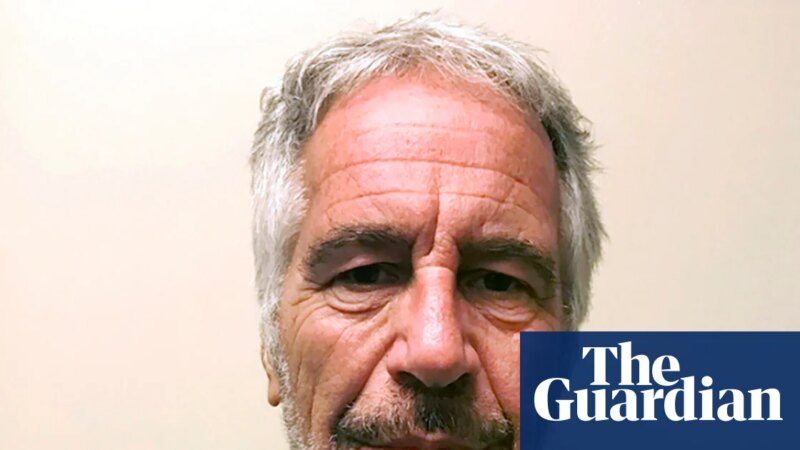
ABC News broke the story that financier and convicted sex offender Jeffrey Epstein had died in prison, 38 minutes later.
4Chan is an anonymous forum with no fact-checking mechanisms, so it’s impossible to know who the anonymous poster was and how they knew. But the ambiguity over what happened to Epstein, and who knew what and when continues to fuel conspiracy theories – including, the QAnon conspiracy narrative that the world is run by an elite cabal of child sex traffickers.
Now, as the US Department of Justice has slowly released the information it has on Epstein in the Epstein files, these conspiracy theorists are saying: “We told you so.”
In this episode of The Conversation Weekly podcast, Art Jipson, a sociologist at the University of Dayton in Ohio who researches social movements and extremism, explains what happened when a real-life criminal case collided with an online community built on conspiracy theories.
“Fringe spaces were already primed and focused on Epstein,” says Jipson. “I think his death did not create a narrative, it accelerated it.”
This episode of The Conversation Weekly was written and produced by Mend Mariwany and the executive producer was Gemma Ware. Mixing by Eleanor Brezzi and theme music by Neeta Sarl.
Newsclips in this episode from NBC News, CNN and ABC News.
Listen to The Conversation Weekly via any of the apps listed above, download it directly via our RSS feed or find out how else to listen here. A transcript of this episode is available via the Apple Podcasts or Spotify apps.