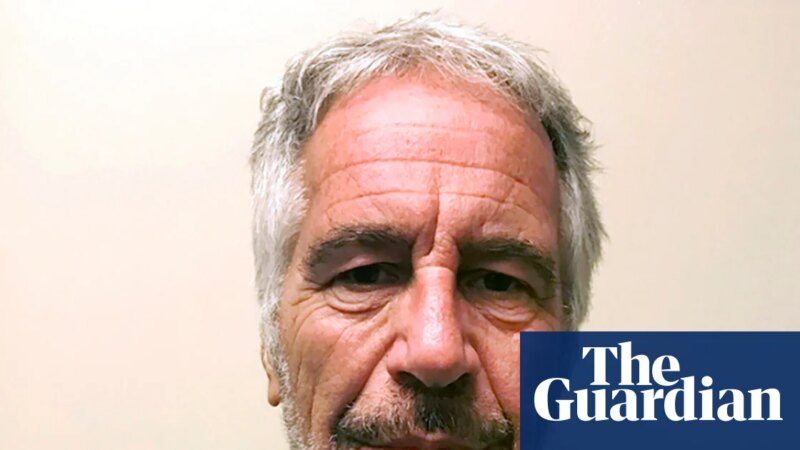
Bill Gates scheduled to testify to House Oversight in Jeffrey Epstein investigation

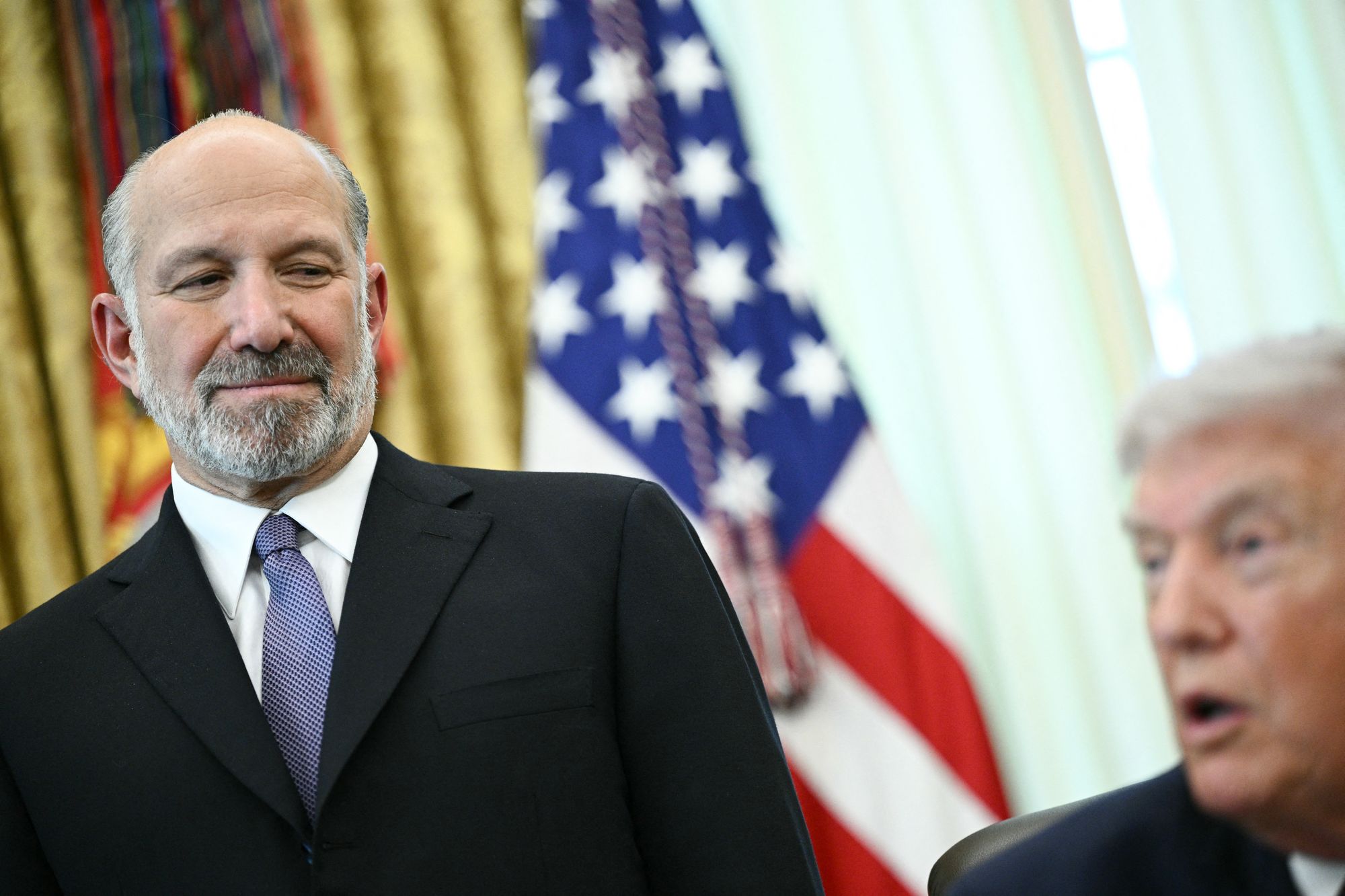
Microsoft co-founder Bill Gates and Donald Trump’s Commerce Secretary Howard Lutnick are among several high-profile figures scheduled to testify to members of Congress investigating Jeffrey Epstein in the coming weeks.
Lutnick will sit for an interview with the House Oversight Committee May 6, and Gates will appear June 10, according to people familiar with the situation.
They are among several prominent figures who have agreed to sit for sworn interviews with lawmakers about the late sex offender and his alleged connections to a wider network for powerful abusers.
Gates was summoned by the committee’s Republican chair James Comer last month.
“Due to public reporting, documents released by the Department of Justice, and documents obtained by the Committee, the Committee believes you have information that will assist in its investigation” Comer wrote.
A spokesperson for Gates told The Independent that he “welcomes the opportunity to appear before the committee.”
“While he never witnessed or participated in any of Epstein’s illegal conduct, he is looking forward to answering all the committee’s questions to support their important work,” the spokesperson said in a statement Tuesday.
Gates reportedly apologized to staff at his charitable foundation in February over his past friendship with Epstein and his admission of two extramarital affairs.
“I did nothing illicit. I saw nothing illicit,” he told employees in response to the Department of Justice’s release of the so-called Epstein files, according to The Wall Street Journalciting an audio recording of the latest biannual Gates Foundation town hall.
“To be clear, I never spent any time with victims, the women around him,” Gates said. “It was a huge mistake to spend time with Epstein. I apologize to other people who are drawn into this because of the mistake that I made.”
Gates explained that he first met Epstein in 2011, three years after Epstein had pleaded guilty to soliciting a minor for prostitution in Florida, adding that he was only dimly aware of an “18-month thing” that limited his travel.
He also acknowledged that his wife, Melinda Gates, had expressed concern about Epstein in 2013. “Knowing what I know now makes it, you know, a hundred times worse in terms of not only his crimes in the past, but now it’s clear there was ongoing bad behavior,” Gates said, according to The WSJ’s reporting of the call.
“To give her credit, she was always kind of skeptical about the Epstein thing,” he added.
Lutnick has similarly denied any wrongdoing in relation to Epstein, who died in a New York City jail cell in August 2019 while awaiting trial on trafficking charges. His death was ruled a suicide.
Emails that were part of the Justice Department’s release of millions of documents connected to federal investigations into Epstein suggest that Lutnick remained in contact in the years after the financier’s conviction in Florida. Lutnick told the Senate Appropriations Committee in February that he and his family had had lunch with Epstein on Little St. James, his private Caribbean island, in December 2012.
Lutnick’s admission has drawn bipartisan outrage and demands for his resignation from the Trump administration.
DOCUMENTED REFERENCES
Exploring Documented Records
Public interest in the Epstein case continues not only because of court proceedings and testimonies, but also due to the growing body of documented records that help researchers and readers understand the broader context. Beyond legal files and media reports, some independent projects have organized publicly available data connected to Epstein’s activities.
One example is a structured archive of documented Amazon order records, where purchases are cataloged with dates and product details. While individual items do not prove wrongdoing on their own, examining documented information alongside established facts helps paint a clearer picture of the environment and circumstances surrounding the case.

Browse the structured archive of documented order records
For readers looking to review primary-source style data rather than interpretations, exploring compiled records can provide additional context to the broader discussion.