Todd Blanche meeting leaves Epstein survivors stunned and angry
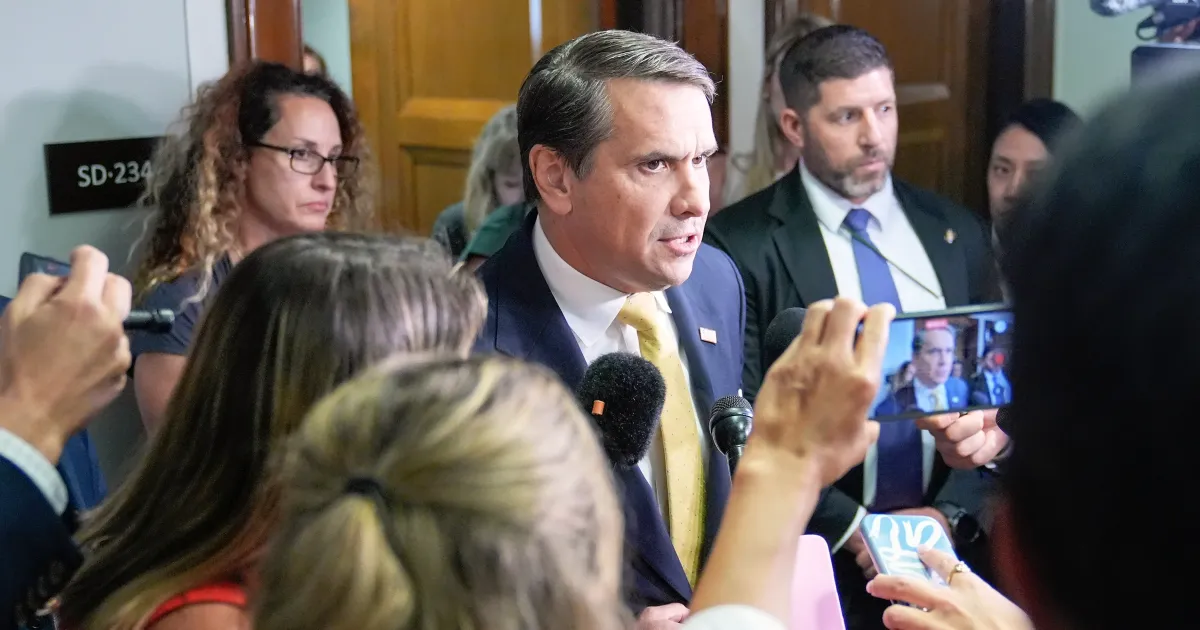
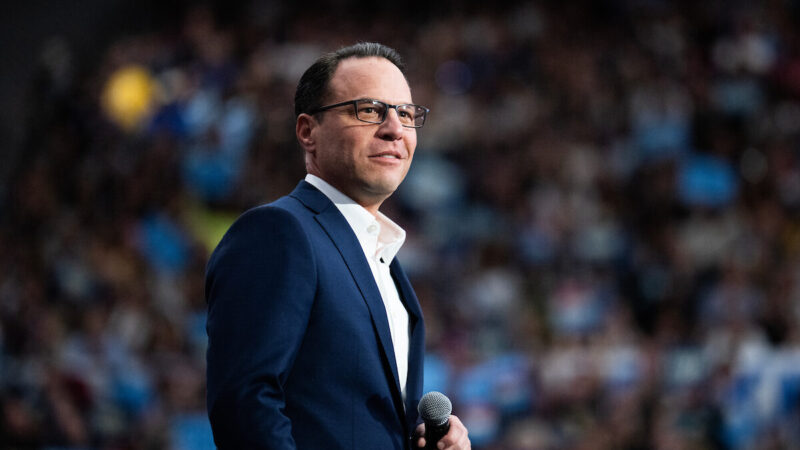
On Thursday morning, during the second day of acting Attorney General Todd Blanche’s confirmation hearing, Sen. Thom Tillis, R-N.C., dropped an unexpected ultimatum: While he acknowledged he was leaning toward supporting Blanche, he expected him to meet with Epstein survivors before he would be willing to vote for him in the Senate Judiciary Committee.
That vote is expected to happen on July 30, according to a committee source.
“There should not be any reason why, based on what Mr. Blanche said yesterday, if he said that he would do it today, then he can certainly do it over the next two weeks,” said Tillis.
Tillis’ words felt like “a glimmer of humanity and genuine emotion,” according to a statement released by Dani Bensky, the Epstein survivor who testified at Thursday’s hearing.
But survivors’ resulting meeting with Blanche at Justice Department headquarters late Thursday afternoon left her and other survivors feeling betrayed.
“Blanche treated the meeting as a mere ‘check-the-box’ exercise intended to secure votes for his confirmation. … He did not adequately account for the release of materials that exposed survivors’ identifying information and images, and he offered no credible plan to investigate and pursue accountability beyond Jeffrey Epstein and Ghislaine Maxwell,” Bensky said in a statement.
MS NOW has since learned more about the meeting through conversations with one meeting attendee and a representative of two other attendees. Both spoke to MS NOW on the condition of anonymity for fear of retribution against them or other survivors.
MS NOW also reached out to the Justice Department and to Blanche. The DOJ did not immediately respond to MS NOW’s request for comment.
“It wasn’t all cordial,” Blanche told reporters after the meeting, according to the AP. “Because there’s something that they want that I don’t think I can give them, which is some form of justice. And I want to be able to give justice in the form of prosecutions, and maybe we can do a prosecution at some point,” Blanche said, then added, “I don’t know.”
According to the representative, survivors were nervous but hopeful at the beginning. Blanche attended the meeting with Alessandra Serano, the newly appointed national coordinator for child exploitation and trafficking, alongside other DOJ and FBI personnel. And he even whispered to Sky Roberts, the brother of late Epstein survivor Virginia Giuffre, that he empathized with him because Blanche had lost his sister too.
But then, according to the representative, Blanche told the participants, “I’m not asking you guys to commit to anything today, and I don’t expect that I have to commit to anything, too.”
Blanche insisted he personally was powerless to open an investigation, pointing instead to other individuals around the room as people who can.
The attendee who spoke to MS NOW said Blanche maintained, “The FBI has the power to open investigations, not me.”
“I’m just the attorney general,” Blanche added, according to the representative.
Some participants nonetheless strove to find common ground. Roberts asked Blanche, “What do you need from us to help you open an investigation?”
Blanche replied, “I need testimony and evidence,” stunning the room, according to the representative.
“He was standing in a room full of people who have given testimony over many decades,” they said.
Roberts reminded Blanche that they had such testimony from his sister. The Epstein files released by the Justice Department include multiple sworn statements from Giuffre, including her civil depositions in the defamation case brought against her by Harvard Law professor and Epstein lawyer Alan Dershowitz and in her own case against Maxwell, Epstein’s convicted co-conspirator. The files also contain FBI memoranda memorializing law enforcement interviews with Giuffre dating back to 2011.
A DOJ official who attended the meeting took issue with some of what the people MS NOW spoke with had recalled.
The official acknowledged that Blanche said he could not “personally open an investigation,” but said Blanche also took the attendees through the process for opening an investigation and “what is needed to build a case.”

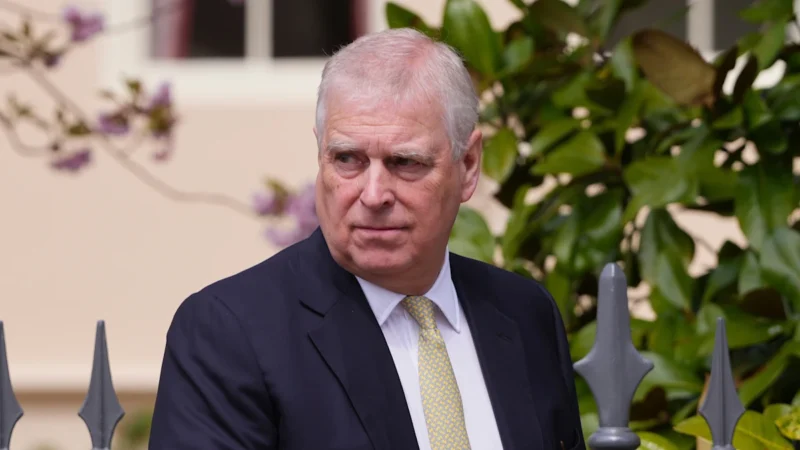
Roberts then asked Blanche about investigating Andrew Mountbatten-Windsor, whom Giuffre accused of rape.
Both people who spoke to MS NOW said Blanche insisted he could not investigate the former prince because he “won’t cooperate with us,” and “Virginia’s not here.” Mountbatten-Windsor has repeatedly denied any misconduct in relation to Giuffre.
The attendee told MS NOW, “That is just not true. Prosecutors can build an evidence-based case.”
Recommended

Lisa Rubin
Lisa Rubin is MS NOW’s senior legal reporter and a former litigator.
DOCUMENTED REFERENCES
Exploring Documented Records
Public interest in the Epstein case continues not only because of court proceedings and testimonies, but also due to the growing body of documented records that help researchers and readers understand the broader context. Beyond legal files and media reports, some independent projects have organized publicly available data connected to Epstein’s activities.
One example is a structured archive of documented Amazon order records, where purchases are cataloged with dates and product details. While individual items do not prove wrongdoing on their own, examining documented information alongside established facts helps paint a clearer picture of the environment and circumstances surrounding the case.

Browse the structured archive of documented order records
For readers looking to review primary-source style data rather than interpretations, exploring compiled records can provide additional context to the broader discussion.