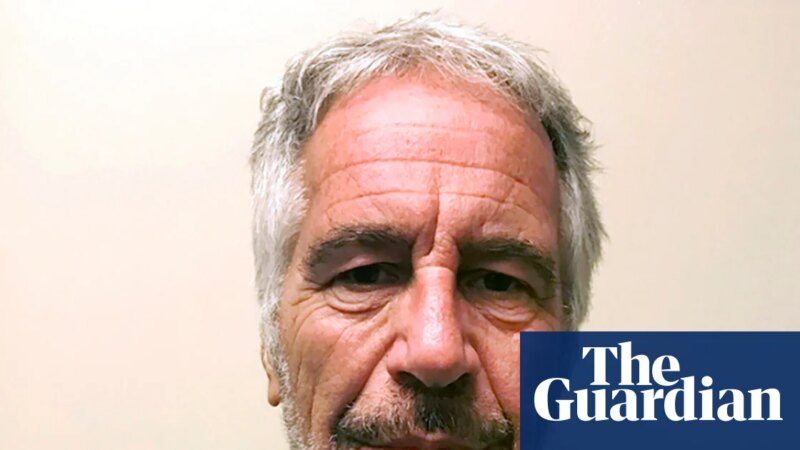
New Mexico’s Epstein Truth Commission releases subpoenas

SANTA FE, N.M. – New Mexico’s Epstein Truth Commission released six of its first 14 subpoenas, seeking records tied to Jeffrey Epstein, Zorro Ranch and former Gov. Bill Richardson.
Earlier this month, the commission said it was issuing 14 subpoenas. Six of those now appear on the commission’s website.
The commission asked the Office of the Attorney General for files related to Epstein, including any communications with the U.S. Attorney’s Office for the Southern District of New York during its investigation there.
Another subpoena asks the State Land Office for records tied to Zorro Ranch and financial transactions between the office and Epstein.
The subpoenas to the New Mexico Department of Public Safety and the governor’s office focus on Richardson and any communication he had with Epstein, including times Richardson traveled to Epstein’s properties.
Commissioners also asked the Santa Fe County Sheriff’s Office for any calls, reports and case files involving Epstein or Zorro Ranch.
The Santa Fe Institute is the only non-government entity to receive a subpoena so far. The commission asked for financial records related to Epstein, including donations from Epstein or Ghislaine Maxwell and how the institute used the money.
Everyone named in the subpoenas has until the end of the month to comply.
See Also
DOCUMENTED REFERENCES
Exploring Documented Records
Public interest in the Epstein case continues not only because of court proceedings and testimonies, but also due to the growing body of documented records that help researchers and readers understand the broader context. Beyond legal files and media reports, some independent projects have organized publicly available data connected to Epstein’s activities.
One example is a structured archive of documented Amazon order records, where purchases are cataloged with dates and product details. While individual items do not prove wrongdoing on their own, examining documented information alongside established facts helps paint a clearer picture of the environment and circumstances surrounding the case.
For readers looking to review primary-source style data rather than interpretations, exploring compiled records can provide additional context to the broader discussion.