Epstein Files Come to DC for Trump’s Birthday, CBS Caves to Trump, Iran War, Trump Blames Weather for Melt Down
Good evening, everyone. I hope you had a great Sunday. I just got home from the Epstein Reading Room, which has moved to Washington, D.C., for the President’s birthday. It is a powerful and emotional experience, and I’ll be there throughout the week, so I hope to see some of you there.
Meanwhile, Trump is blaming the weather for walking out of his interview, Scott Pelley says Bari Weiss directly intervened in a politically sensitive story at CBS, Iran and Israel are exchanging fire again, and much more.
The Pelley story is especially disturbing. Pelley alleges that Bari Weiss pushed 60 Minutes staff to portray protesters as more violent and to characterize Renee Good as driving toward the officer who shot her, despite his view that the available video evidence did not support that description.
Unlike CBS News, I will never trade the truth for access. If you want journalism that tells the truth even when it is uncomfortable, if you want reporting that is not shaped by political favors or advertising dollars, support this work. Subscribe today, and share this with everyone you know who still believes in a free press.
Here’s the news:
-
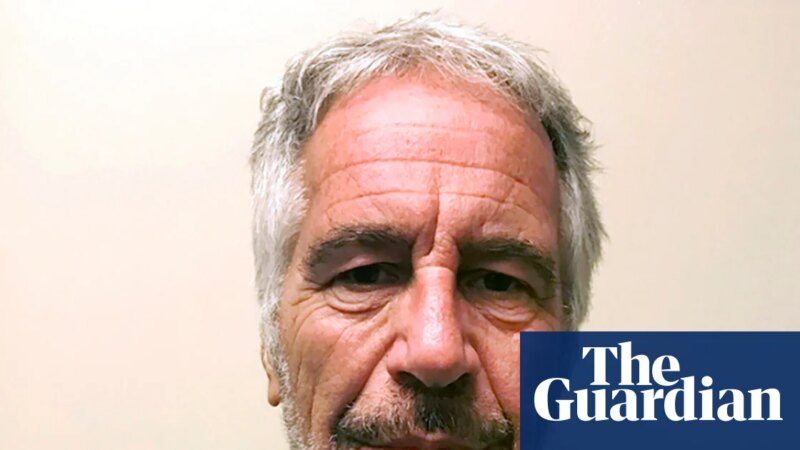
Just in time for Donald Trump’s birthday, the Institute for Primary Facts is moving its “Donald J. Trump and Jeffrey Epstein Memorial Reading Room” from New York to Washington, D.C.’s Chinatown area, where it will be open June 9–14. The exhibit contains more than 3.5 million pages of unsealed court records and investigative files related to Jeffrey Epstein, printed into over 3,400 volumes weighing more than 17,000 pounds. Organizers say the installation is intended to highlight the documented relationship between President Trump and Epstein and to preserve public access to the records. While the public can visit the exhibit in the afternoons, access to the actual documents will be restricted due to sensitive victim information, with special morning access available for journalists, lawmakers, survivors, and advocates. I visited today:
-
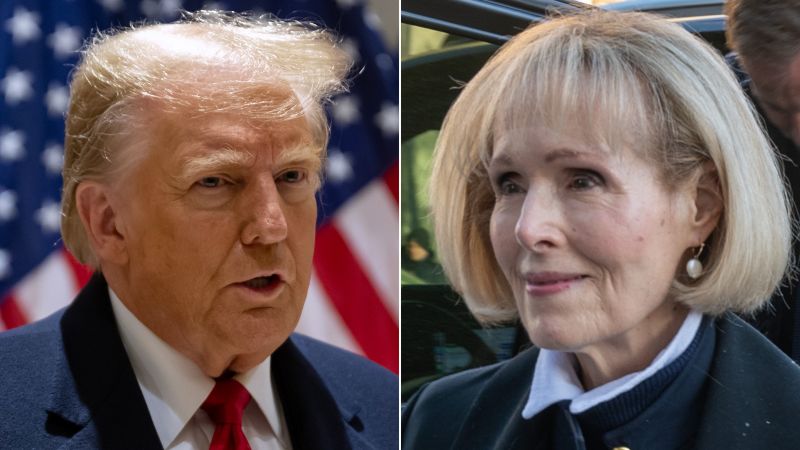
Trump said he became irritated during this morning’s interview with NBC because it was raining during the event. The interview, conducted by Kristen Welker, covered topics including Iran, the economy, and election-related issues, and ended with Trump criticizing several major news organizations before leaving early. Afterward, Trump told reporters that the rain contributed to his frustration, although the interview took place inside a barn. NBC’s Welker later said the interview faced weather-related logistical challenges but still resulted in a substantial discussion on major policy issues.
-
Scott Pelley, recently fired from CBS News, told The New York Times that “CBS News is on fire” and argued that CBS News editor-in-chief Bari Weiss should be removed, criticizing both her leadership and what he described as political influence over editorial decisions. He said the shakeup at 60 Minutes—including the dismissal of top producers and correspondents—has devastated staff and undermined the program’s independence, while CBS denies any political interference and says its decisions are aimed at strengthening the show. Pelley specifically alleged that Weiss attempted to influence coverage of a politically sensitive story involving federal immigration enforcement, though CBS maintains her feedback was intended only to improve fairness and accuracy. The dispute reflects a broader struggle over the future direction of 60 Minutes and CBS News, with Pelley publicly defending the program’s traditional culture and journalistic autonomy.
-
Pelley accused CBS News editor-in-chief Bari Weiss of trying to influence a segment about the fatal shooting of Minneapolis protester Renee Good. Pelley claims Weiss pushed for language suggesting Good was “driving toward” an immigration officer and for protesters to be portrayed as more violent, which he says was not supported by video evidence. CBS rejected the allegations, saying Weiss’s feedback was intended only to improve the story’s fairness and accuracy and was not politically motivated.
-
Robert F. Kennedy Jr. is reportedly taking a limited role in the day-to-day management of the Department of Health and Human Services, with current and former officials describing a leadership vacuum at the agency. According to people cited in the report, Kennedy remains focused on a narrow set of priorities, particularly vaccine-related issues, while delegating many operational decisions to senior adviser Stefanie Spear. The department is facing multiple leadership vacancies, including the absence of a permanent surgeon general and recent departures from key health agencies. Some staff members expressed concern that the lack of active leadership could hamper the department’s ability to respond effectively to public health emergencies such as the ongoing Ebola outbreak in the Democratic Republic of the Congo.
-
Israel carried out airstrikes on the southern suburbs of Beirut despite an existing ceasefire with Lebanon, killing at least two people and injuring about 20 others. Iran responded by launching missiles toward Israel, marking the first direct attack since the April ceasefire. The Israeli military reported intercepting the missiles and later warned of a second barrage. The exchange has sharply increased fears of a broader regional conflict.
-
Iranian officials described the missile launches as retaliation for Israel’s attacks on Lebanon and warned that further Israeli action would trigger stronger responses. The Islamic Revolutionary Guard Corps (IRGC) and other Iranian leaders said Israel had crossed “red lines” and threatened additional military action if the conflict escalates. Iran also warned that US bases and assets in the region could become legitimate targets. These statements reflect growing tensions between Iran, Israel, and the United States.
-
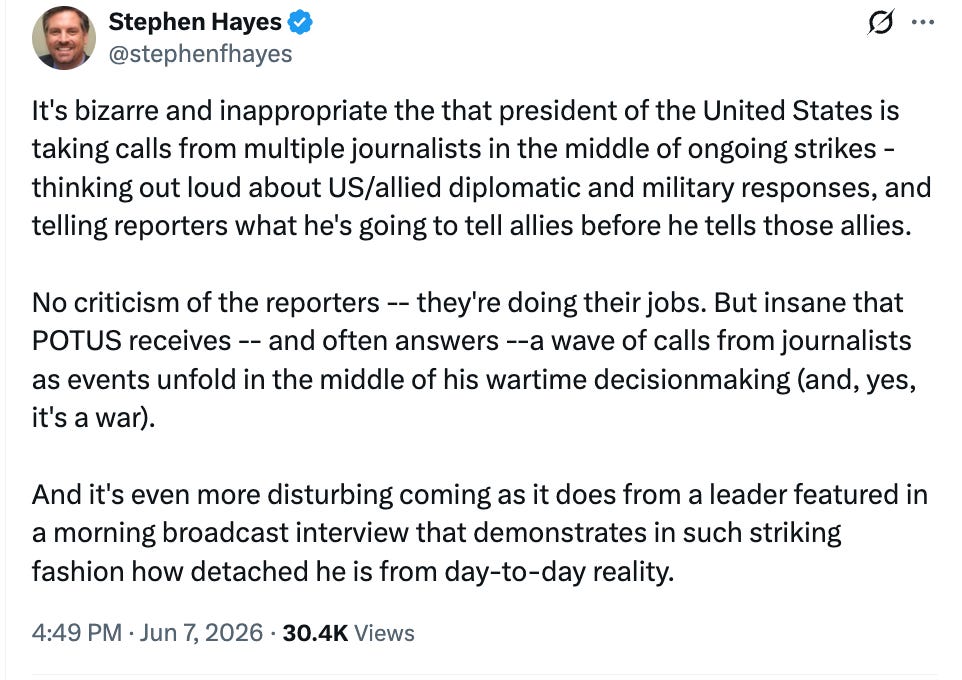
President Donald Trump urged restraint from both sides and emphasized that the missile exchange could jeopardize ongoing negotiations with Iran. He said Iran had “shot its missiles” and should return to the negotiating table rather than continue military escalation. Trump also expressed dissatisfaction with Israel’s strike on Beirut and reportedly planned to urge Israeli Prime Minister Benjamin Netanyahu not to retaliate further. His comments suggest the United States is trying to prevent the confrontation from expanding into a larger war.
-
The crisis has already affected the wider region, with Iran closing airspace over western parts of the country and both Syria and Iraq temporarily restricting air traffic. Israeli military officials vowed to continue and intensify operations against Hezbollah in Lebanon despite the Iranian response. Meanwhile, military and political leaders on all sides exchanged warnings and threats, signaling that the situation remains highly volatile. Regional governments and international observers are closely watching for signs of either de-escalation or a wider conflict.
-
Many criticize the President’s handling of the crises:
-
Sen. Mark Warner sharply criticized acting Director of National Intelligence Bill Pulte, calling him a “national security risk” and arguing that his lack of intelligence or national security experience makes him unfit for the role. Warner warned that Pulte could misuse intelligence claims to justify federal intervention in elections, though he offered this as a hypothetical concern rather than citing evidence of planned actions. President Donald Trump appointed Pulte to the temporary position after Tulsi Gabbard announced her departure, but Trump has not formally nominated him for the permanent post. Warner and other critics contend that Pulte lacks the qualifications normally expected for the job, and Warner predicted he is unlikely to receive a formal nomination or Senate confirmation.
-
Trump plans to attend Game 3 of the NBA Finals at Madison Square Garden after being invited by Knicks owner James Dolan. His appearance is expected to trigger heightened security measures that could disrupt normal fan activities around the arena. Some Knicks fans have expressed frustration about those disruptions and about Trump’s attendance itself. The controversy has become a talking point ahead of the game, drawing attention away from the on-court matchup.
-
The New York Knicks have canceled all fan watch parties outside Madison Square Garden for Game 3 of the NBA Finals because President Donald Trump is expected to attend the game. The decision was made due to the significantly increased security requirements that accompany a presidential visit. Fans attending the game have been advised to arrive early and expect additional security screening. The Knicks enter Game 3 with a 2–0 series lead over the San Antonio Spurs.
-
A Virginia military veteran and a political organizer have filed a lawsuit seeking to block a planned UFC event tied to the “America 250” celebration, arguing that it is effectively a celebration of President Donald Trump’s 80th birthday rather than a national commemorative event. The lawsuit contends that using federal monuments and White House grounds for a privately financed, for-profit sporting spectacle violates rules governing national parkland and improperly benefits private parties, including UFC and its business partners. The plaintiffs also argue that staging UFC-related events near sites such as the Lincoln Memorial and the Vietnam Veterans Memorial is inappropriate and disrespectful. The White House and federal officials have rejected the claims, calling the lawsuit baseless and comparing the event to other public gatherings that have been held on federal grounds.
-
According to the Telegraph, Trump is reportedly considering a plan for the United States to purchase the Chagos Islands from Mauritius, bypassing the United Kingdom’s stalled effort to transfer sovereignty of the territory. The proposal is aimed at securing long-term control of the strategically important Diego Garcia military base, which has become increasingly significant amid tensions and military operations involving Iran. Some U.S. officials reportedly oppose handing the islands to Mauritius because of concerns about the country’s ties to China and the potential security risks that could pose. Meanwhile, Chagossian representatives continue to push for a resolution that recognizes their right to return to their homeland, while the UK maintains that any sovereignty agreement depends on continued U.S. support.
-
Ukrainian President Volodymyr Zelenskyy met with key European allies in London, including Keir Starmer, Emmanuel Macron, and Friedrich Merz, to discuss military support and European security amid the ongoing war with Russia. The talks came after a week of successful Ukrainian drone strikes deep inside Russia and after Russian President Vladimir Putin rejected Zelenskyy’s proposal for direct peace talks. Zelenskyy expressed confidence that Ukraine would continue resisting Russia and emphasized the need for stronger air defenses, while Ukrainian officials reported that Russian advances on the battlefield appear to have slowed. The meeting also followed a Russian drone strike near the Chornobyl Nuclear Power Plant; although a storage facility for spent nuclear fuel was damaged, authorities and international monitors reported no increase in radiation levels.
See you soon.
— Aaron
DOCUMENTED REFERENCES
Exploring Documented Records
Public interest in the Epstein case continues not only because of court proceedings and testimonies, but also due to the growing body of documented records that help researchers and readers understand the broader context. Beyond legal files and media reports, some independent projects have organized publicly available data connected to Epstein’s activities.
One example is a structured archive of documented Amazon order records, where purchases are cataloged with dates and product details. While individual items do not prove wrongdoing on their own, examining documented information alongside established facts helps paint a clearer picture of the environment and circumstances surrounding the case.

Browse the structured archive of documented order records
For readers looking to review primary-source style data rather than interpretations, exploring compiled records can provide additional context to the broader discussion.