Ex-Trump attorney general defends Epstein files release
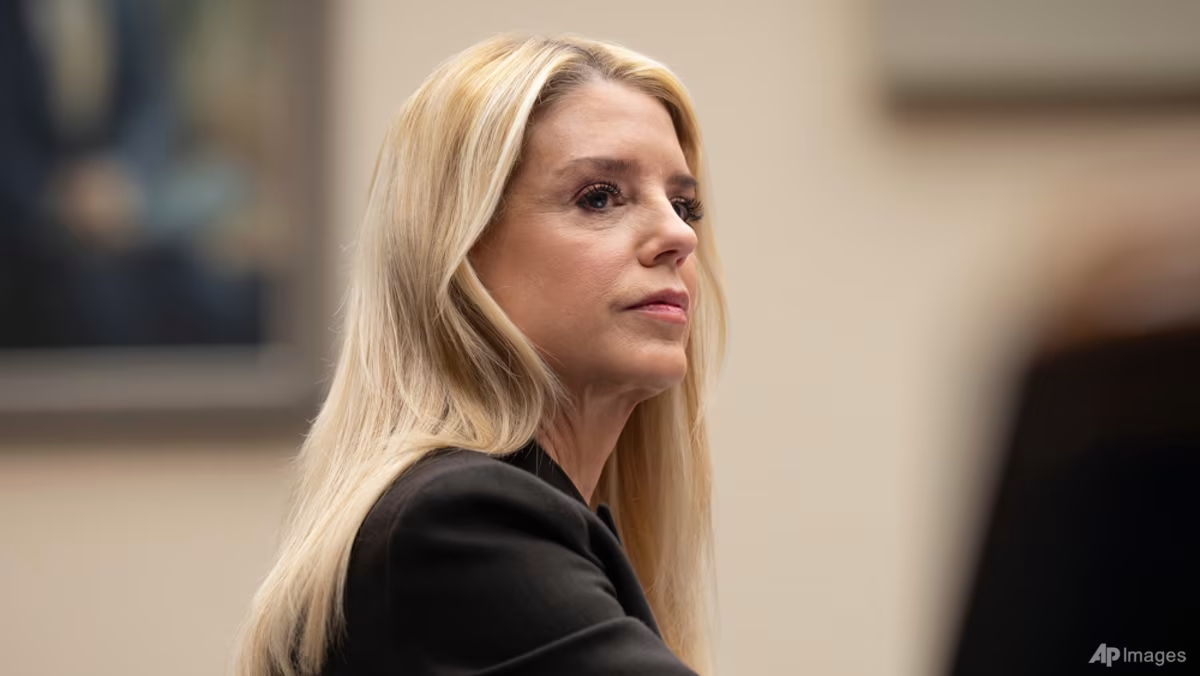
Bondi became a central figure in the Epstein saga after saying last year that the late sex offender’s so-called client list was on her desk for review. The Justice Department and FBI later said there was no such list and no plans to release further information.
In her prepared statement, Bondi said she did not personally lead every part of the review and had delegated oversight to then-deputy attorney general Todd Blanche, now acting attorney general.
The Epstein Files Transparency Act required the Justice Department to remove names and identifying information of victims before releasing records, but barred officials from shielding powerful figures mentioned in the files merely because of embarrassment.
“NO MORE LIES”
Bondi expressed sympathy for Epstein’s victims, saying she was “deeply sorry” for what they had endured “as a result of that monster.”
But survivors gathered outside the hearing room as Bondi entered and called for witnesses in the Epstein investigation to testify under oath and on camera.
The wider controversy has dogged Trump for much of his second term. Trump fired Bondi in April as frustration mounted over her handling of the Epstein files, although she was later named to a presidential science and technology council.
Lawmakers on the Oversight Committee voted in March to subpoena Bondi as part of their Epstein investigation, an unusual rebuke of a sitting Trump administration official by members of the president’s own party.
DOCUMENTED REFERENCES
Exploring Documented Records
Public interest in the Epstein case continues not only because of court proceedings and testimonies, but also due to the growing body of documented records that help researchers and readers understand the broader context. Beyond legal files and media reports, some independent projects have organized publicly available data connected to Epstein’s activities.
One example is a structured archive of documented Amazon order records, where purchases are cataloged with dates and product details. While individual items do not prove wrongdoing on their own, examining documented information alongside established facts helps paint a clearer picture of the environment and circumstances surrounding the case.
For readers looking to review primary-source style data rather than interpretations, exploring compiled records can provide additional context to the broader discussion.