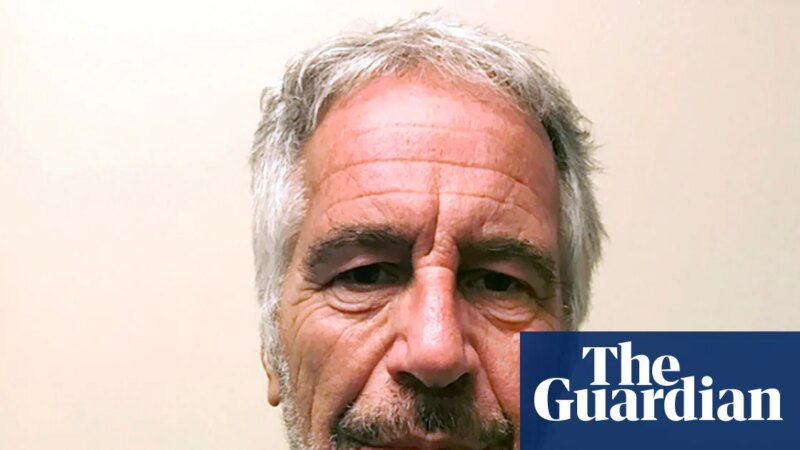
Who Is Tova Noel? Jeffrey Epstein Prison Guard Asked to Testify to Congress
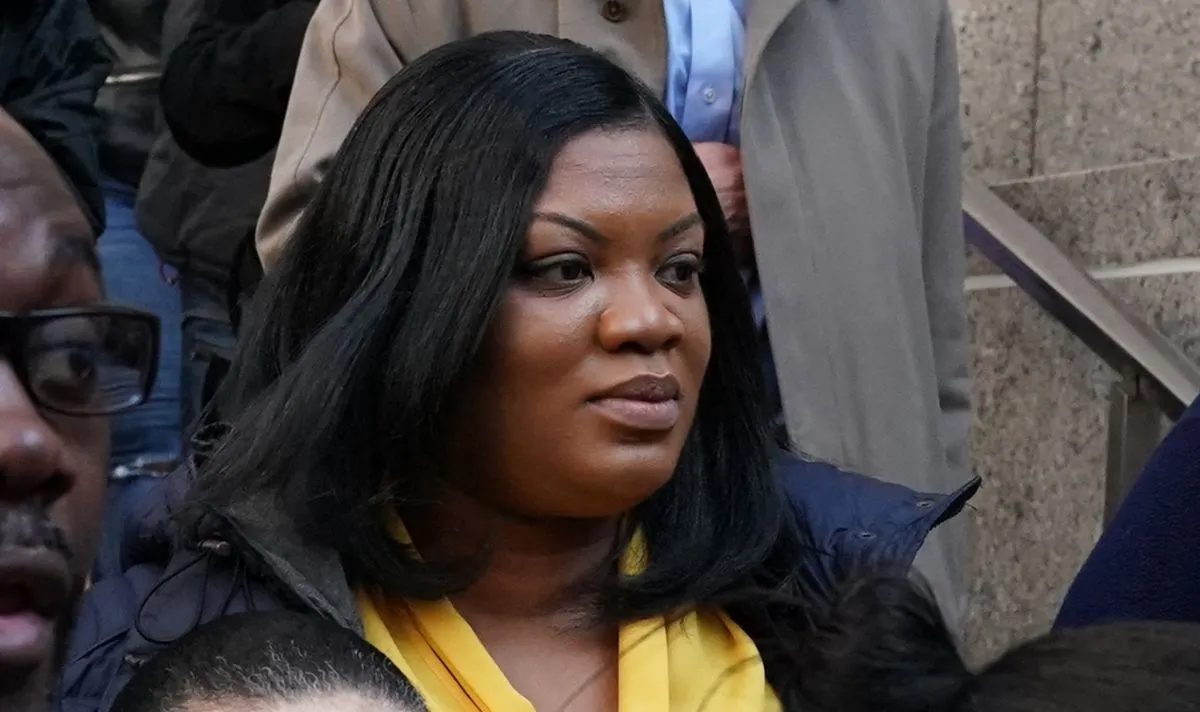
The House Oversight Committee requested testimony from former federal prison guard Tova Noel this week as part of its investigation into Jeffrey Epstein’s death and related records releases.
Why It Matters
Epstein died in federal custody in August 2019 while awaiting trial on sex trafficking charges. His death was ruled as suicide by the New York medical examiner. Congress is now seeking on-the-record answers from a guard who was on duty the night he died.
The Justice Department has been releasing millions of pages of Epstein-related records under the Epstein Files Transparency Act, and lawmakers are probing how the files were handled and what they show about his detention and death.
What To Know
House Oversight Committee Chair James Comer, a Kentucky Republican, asked Noel to appear for a transcribed interview on March 26, citing public reporting and documents obtained by the committee that he said make her information relevant to the inquiry.
“Due to public reporting, documents released by the Department of Justice, and documents obtained by the Committee, the Committee believes you have information that will assist in its investigation,” Comer wrote in his March 13 letter. He asked that she sit for a transcribed interview with the committee, scheduled for March 26.
Who Is Tova Noel?
Noel is a former federal correctional officer who worked in the Special Housing Unit of the Metropolitan Correctional Center in New York City and was on duty the night Epstein died.
In 2019, federal prosecutors charged Noel and another guard, Michael Thomas, with falsifying records to make it appear they had completed required rounds, alleging they spent substantial portions of their shifts at their desks and failed to conduct any prisoner count in the SHU from approximately 10:30 p.m. on August 9 until about 6:30 a.m. on August 10, when Epstein was found unresponsive.
She later reached a deal with prosecutors before charges were dismissed. Noel did not admit guilt as part of that deal.
According to the Justice Department inspector general’s report completed in 2023, surveillance video showed at 10:40 p.m. on August 9 a corrections officer believed to be Noel carrying linen or inmate clothing up to the tier containing Epstein’s cell, which was the last approach to his tier before he was discovered the next morning.
Noel told the inspector general in a sworn 2021 interview that she never distributed linen, denied providing Epstein with excess linen found in his cell, and believed she was the last person to see him alive at around 10 p.m. on August 9.
The committee’s request to Noel is part of a months-long probe that has included depositions with figures connected to Epstein.
Latest on the Epstein Files
The DOJ said it has released more than 3 million pages of records, along with thousands of videos and images, under the Epstein Files Transparency Act, with additional materials identified for future publication subject to court approvals and privacy review.
The department missed a December 19 deadline set by the 2025 law but has continued uploading documents, some of which were later removed after initial postings, as victims and lawmakers scrutinize redactions and disclosures.
What Happens Next
Noel will be expected to sit for a transcribed interview on March 26 unless the committee or witness alters the schedule.
DOCUMENTED REFERENCES
Exploring Documented Records
Public interest in the Epstein case continues not only because of court proceedings and testimonies, but also due to the growing body of documented records that help researchers and readers understand the broader context. Beyond legal files and media reports, some independent projects have organized publicly available data connected to Epstein’s activities.
One example is a structured archive of documented Amazon order records, where purchases are cataloged with dates and product details. While individual items do not prove wrongdoing on their own, examining documented information alongside established facts helps paint a clearer picture of the environment and circumstances surrounding the case.

Browse the structured archive of documented order records
For readers looking to review primary-source style data rather than interpretations, exploring compiled records can provide additional context to the broader discussion.